Blog
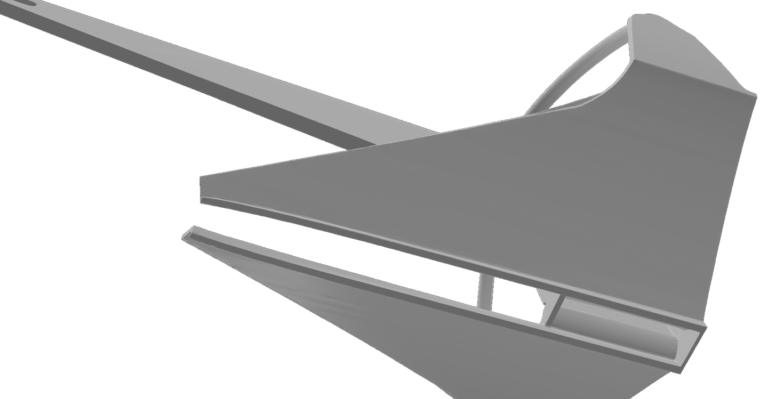
Knox vs. The Rest: Anchor Design Comparison
Anchors have come a long way since sailors threw rocks overboard to stop drifting. Over centuries, designs evolved from heavy...
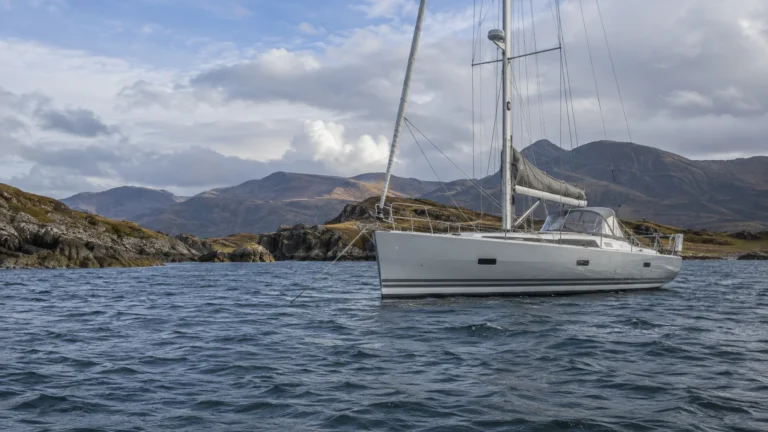
Anchor Sizing Guide: How to Choose and Compare a Boat Anchor
The most popular anchor is not automatically the right anchor for your boat. Brand recognition, weight and boat length are...

How Split-Fluke Designed Anchor Works
Modern cruising requires confidence at anchor, yet traditional designs often fail by clogging with weed or dragging during wind shifts....

The Science Behind the Knox Anchor: Professor John H. Knox’s Research and Legacy
Knox Anchors were not created through marketing trends or copied designs. Discover the scientific testing, empirical research, and engineering philosophy...

Practical Anchoring Techniques with a Knox Anchor
Anchoring safely in changing weather requires more than experience alone. This guide explains how to properly set and reset a...
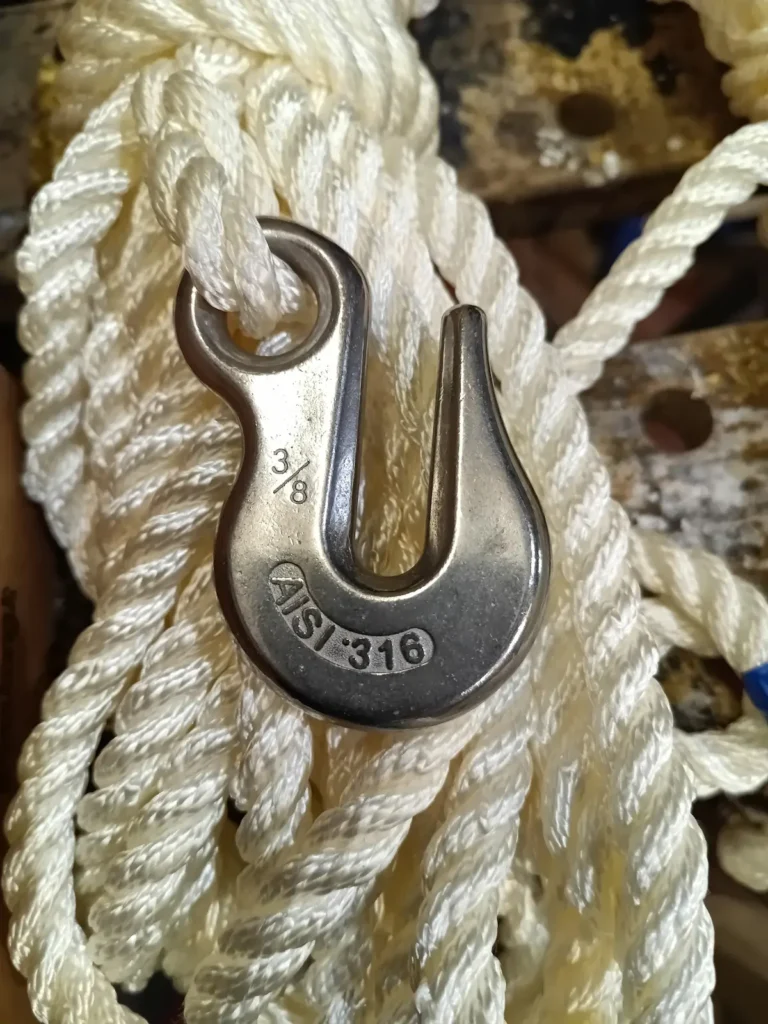
Choosing the Right Anchor Accessories: Swivels, Shackles and Snubbers Explained
A modern anchor system is only as strong as its weakest connection. Learn how swivels, shackles, and snubbers improve safety,...

Why High‑Tensile Steel Makes a Better Boat Anchor
Modern anchor performance depends on more than shape alone. Learn how high tensile steel, galvanization standards, and advanced manufacturing techniques...
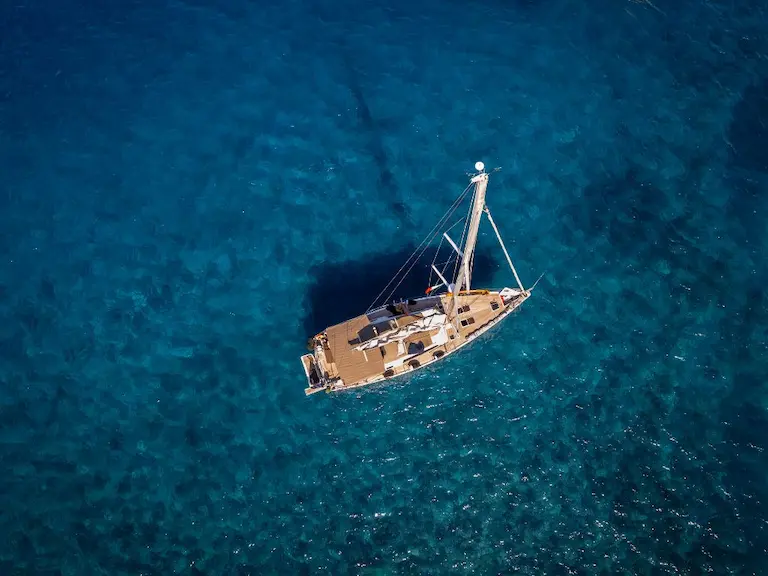
Anchor Behaviour Over Peak Numbers: Why Predictable Performance Matters
Walk down any boat show aisle and you’ll see anchor manufacturers boasting of astounding holding figures: “10,000 lb static hold!” or...
Anchor Load and Sizing: Beyond Boat Weight
Selecting the right anchor size for your boat is a balancing act between performance and practicality. Too small, and the...