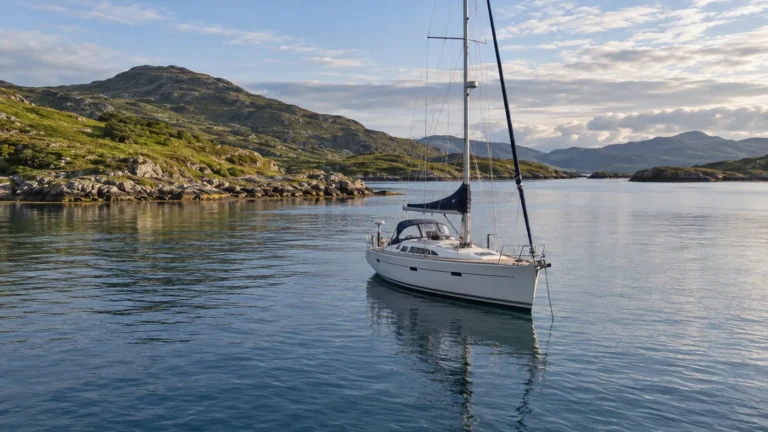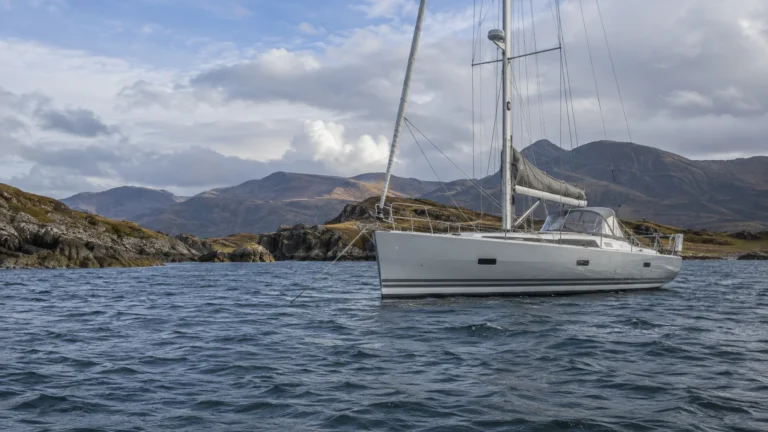
Modern cruising is as much about confidence at anchor as it is about sailing. Ask any seasoned cruiser and they’ll tell you the stories that keep them awake at night: anchors dragging across a crowded harbour, weed or mud clogging the flukes, wind shifts tearing a perfectly set anchor free, or heavy loads bending shanks. For decades boat owners had little choice beyond heavy plough anchors and bulky fishermans. These designs often performed well in soft sand when pulled in a straight line, but they were prone to clogging, slow to set and unreliable when the wind veered. The Knox Anchor approaches these problems from an engineer’s perspective, using a patented split‑fluke geometry and high‑strength materials to deliver consistent holding across a range of seabeds.
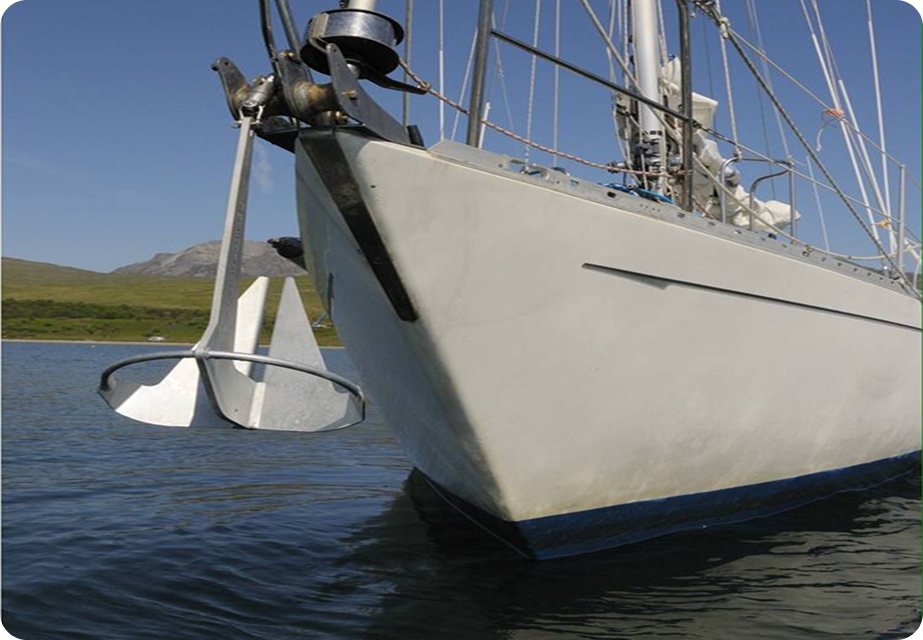
How Split Flukes Work
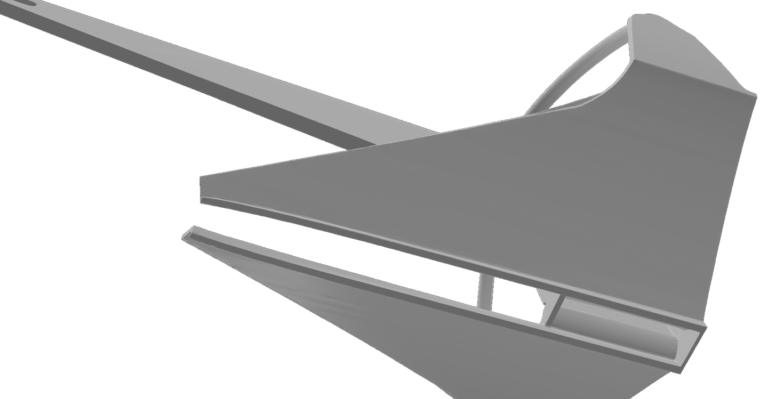
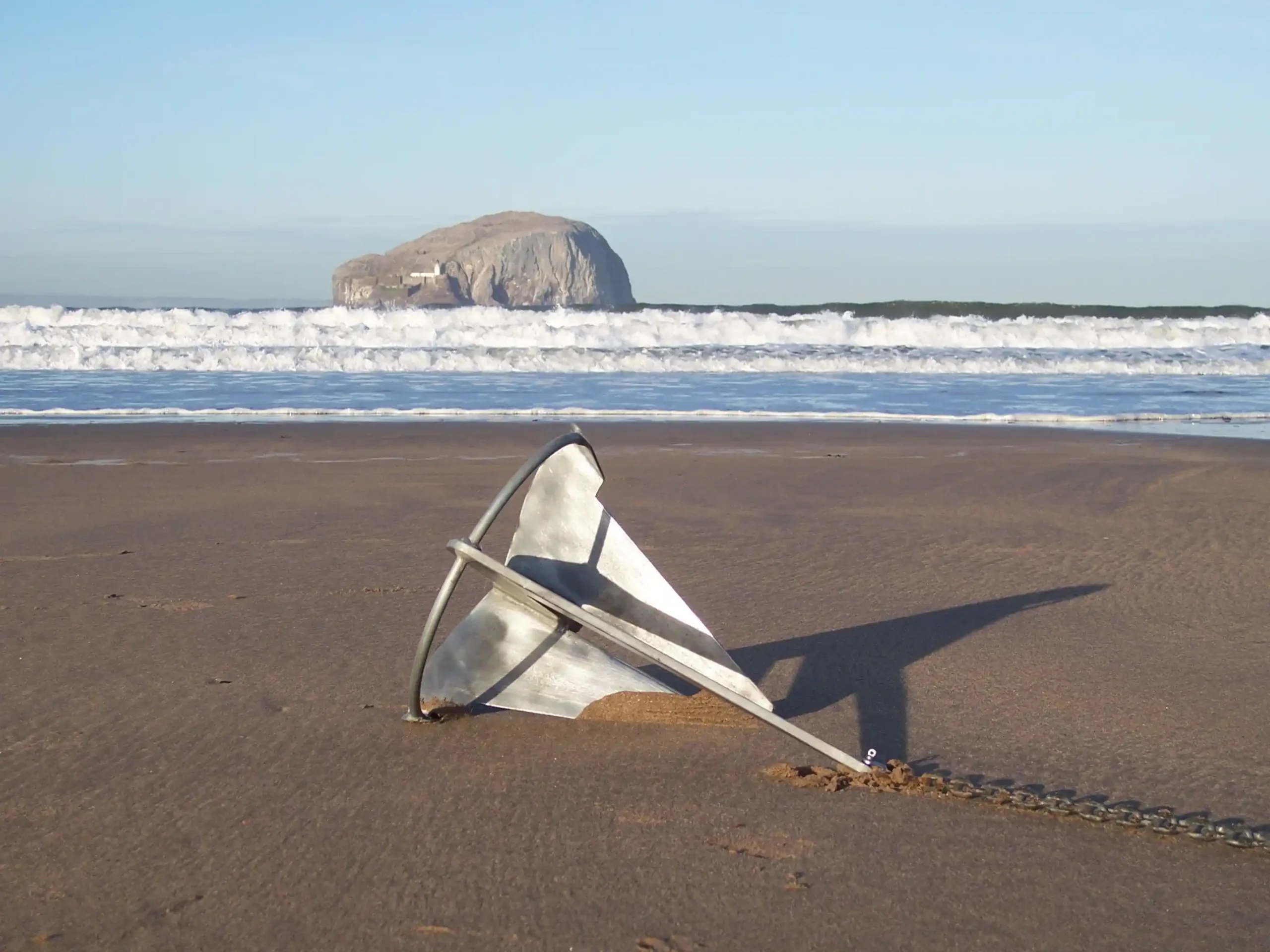
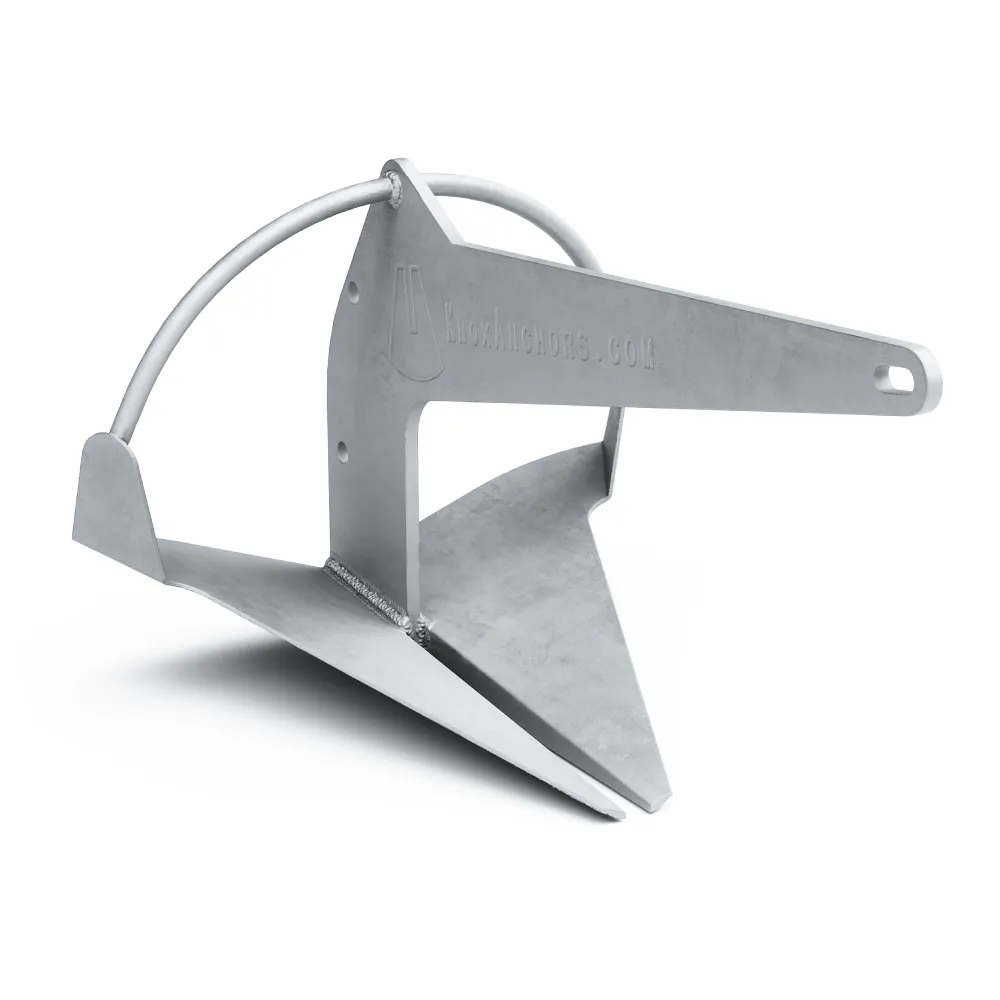
Traditional single‑fluke anchors behave like shovels: a solid plate pushes soil aside to create a cavity. This helps the anchor bite initially but it can also cause two problems. First, dense mud and sticky sand accumulate on the blade; second, when the direction of pull changes the big plate has to pivot around the seabed, often ripping out the “mud ball” that has formed around it. Knox’s divided fluke solves both issues by splitting the working surface down the centre. The gap allows sand and clay to flow freely through the anchor as it is dragged through the seabed . Instead of forming a single mass of mud, the seabed flows around the two flukes, which greatly reduces the chance of clogging and lets the anchor bury itself deeper with each increase in load .
Because the flukes are separate, they work like the wings of an aeroplane in soil: each wing creates lift (in this case downward force) while also acting as a pivot point. When a gust shifts the boat by 90° or more, the flukes allow the anchor to rotate smoothly within the seabed rather than break free. Knox’s testing shows that the anchor can re‑align and reset within less than a metre when the wind veers by 180° . That ability to rotate without breaking out is at the heart of its reputation for “set‑and‑forget” anchoring.
Engineering Behind the Design
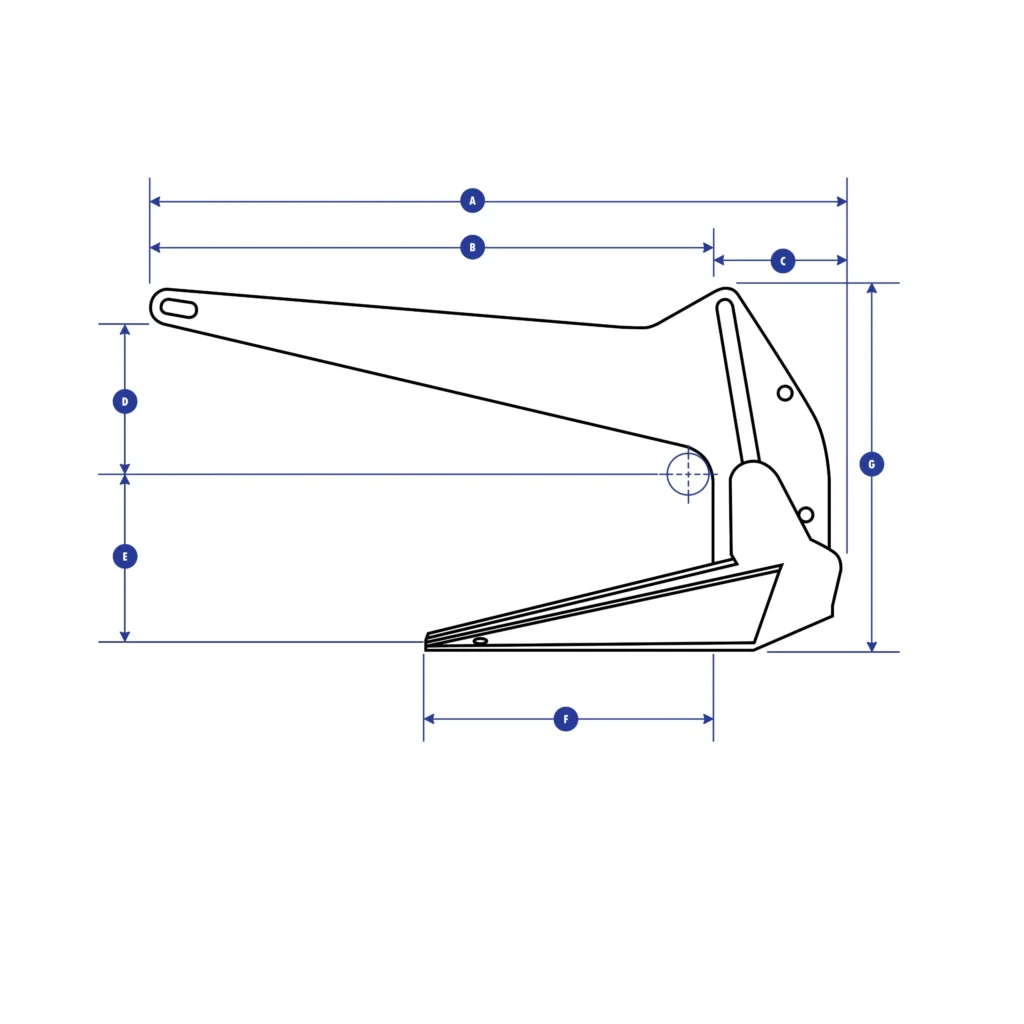
Designing a split‑fluke anchor isn’t as simple as cutting a plate in two. The fluke angles, spacing and thickness must balance competing demands: the anchor must penetrate a variety of seabeds; it must maintain a stable angle of attack once buried; and it must be stiff enough to avoid distortion under extreme loads. To achieve this Knox uses grade‑80 high‑tensile steel for the shank and flukes . This allows a thinner profile for fast penetration while providing a five‑times safety factor on the shank – a margin normally reserved for commercial anchors. The anchor is hot‑dip galvanised to ISO 1461 for long‑term corrosion protection inside and out .
The anchor’s roll bar plays a key role in self‑righting. As the anchor is dropped, the bar ensures the fluke tips land on the seabed in the correct orientation. Once pulled, the bar helps the anchor pivot quickly onto its belly so the flukes can dig in. This simple addition eliminates the need for weighted tips or complicated stock arms, keeping the design compact without compromising stability.
Quick, Deep Setting
One of the most common frustrations with older anchors is their reluctance to set on the first attempt. If the point skates across the seabed, the boat must reverse repeatedly to encourage it to bite. The Knox’s split fluke and sharp edges are designed to penetrate quickly; Practical Boat Owner confirms that the divided fluke digs into the seabed rapidly and efficiently . The flukes are oversized relative to the anchor’s weight, giving a large projected area for maximum holding power . Unlike ploughs that often require a long scope to dig, the Knox will bite on a shorter rode, a useful trait in busy anchorages.
Once buried, the anchor behaves differently from many peers. As the load increases, it continues to plough forward, burying itself deeper rather than rolling on its side. Knox’s own test data show that the anchor’s holding power increases steadily with distance ploughed . This progressive behaviour contrasts with many plough or claw designs which reach a peak and then roll out . For cruisers, the practical benefit is obvious: when a squall hits in the middle of the night, the anchor digs harder instead of letting go.
Re‑Orientation and Resetting
Anchoring rarely occurs in a perfectly straight line. Tides ebb and flow, winds swirl through anchorages and boats swing on their rodes. Many anchors cope poorly with such changes. Roll‑bar designs like the Rocna improve stability, but their solid flukes can still clog and their roll bars sometimes act as a barrier when the anchor needs to rotate. The Knox’s twin flukes pivot like a hinge. During a wind shift the force is transmitted through the shank into the two wings. The wedge shape causes the flukes to turn while staying buried . Because the material flows through the gap, no large “mud ball” forms to impede movement. Knox’s Wind Shift Protocol demonstrates that the anchor can rotate through 180° with less than one metre of movement . For sailors this means the anchor will stay put during tidal reversals or when a sea breeze replaces an offshore wind.
Mud, Sand, Weed and Rock
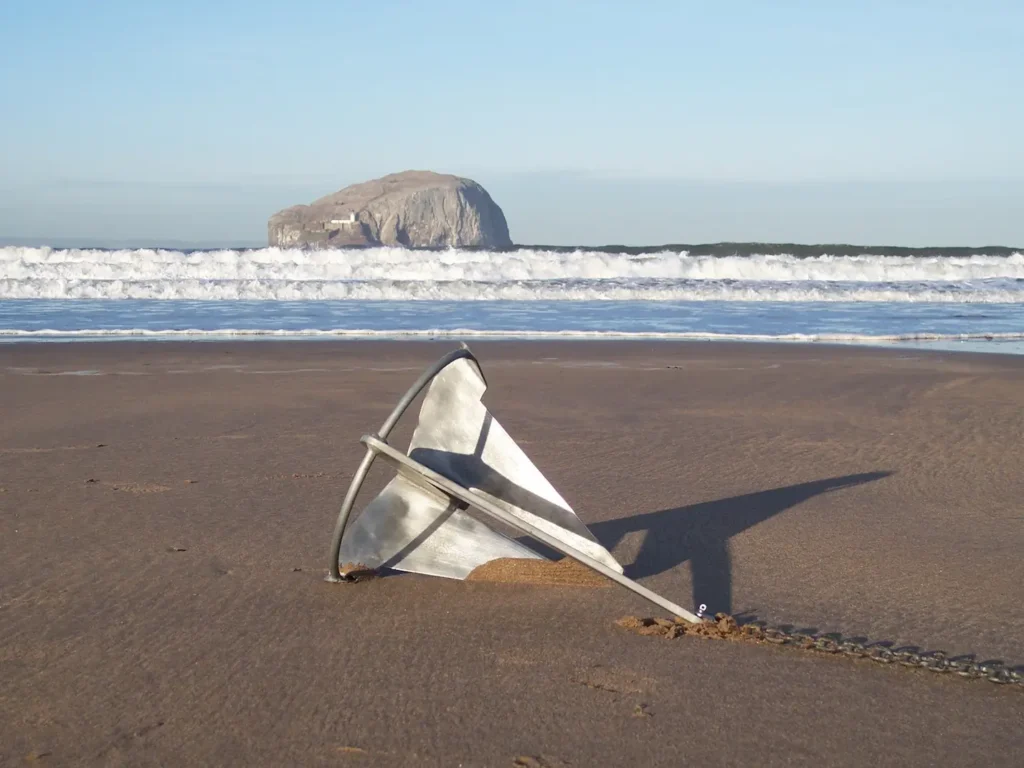
No anchor is perfect for every seabed, but the split‑fluke design gives the Knox a broad performance envelope. In hard sand, the flukes penetrate like knives, cutting through compaction to gain a deep bite. In soft mud, the split allows excess material to be displaced, preventing suction from lifting the flukes when load increases. The anchor has also shown good results in weedy bottoms, where divided flukes slice through roots that would otherwise prevent penetration; by contrast, many plough designs foul on weed and simply drag across the surface. For rock or coral, no modern anchor excels – cruisers generally deploy specialised hooks – but even here the Knox’s sharp tips and roll bar help it find cracks to grip.
Materials and Durability
Galvanised steel anchors eventually suffer wear through abrasion and corrosion. To minimise these effects Knox uses hot‑dip galvanising to ISO 1461 standards, which coats the anchor inside and out . The thick galvanising layer is important because the split fluke exposes more edges and interior surfaces than a single plate anchor. By using high‑tensile steel, Knox can maintain strength with less material, keeping weight down while still achieving high holding power . The five‑times safety factor ensures that even if the anchor is shock‑loaded in gale conditions, the shank will not deform permanently .
Real‑World Experiences
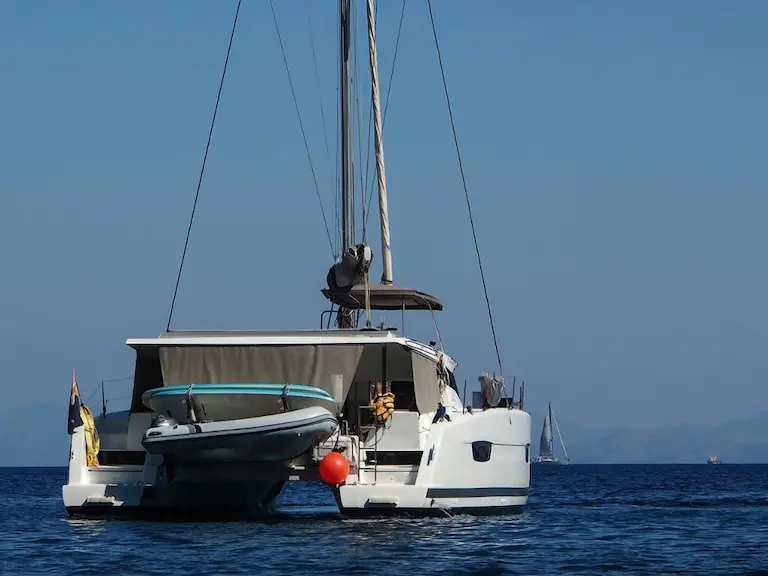
Cruisers who have adopted the Knox report a noticeable change in how they anchor. Instead of spending time tidying up a muddy deck, the split flukes shed most of the substrate as the anchor is raised; any remaining mud is easily washed off by dunking the anchor a couple of times. Owners note that the anchor often sets on the first attempt and requires less scope than their previous plough or claw anchors. When they sail in tidal rivers, they no longer worry about the anchor tripping out during reversals. Practical Boat Owner lists it as “best for offshore and long‑term cruising in rough conditions” and notes that it has few disadvantages .
Knox: The Split-Fluke Designed Anchor for Your Boat
For many sailors, the anchor is the most important piece of safety equipment after a lifejacket. The Knox anchor’s split‑fluke design tackles the problems that have plagued anchors for decades: clogging, unreliable resetting and sudden breakouts. By allowing material to flow through its divided wings, the anchor sets quickly, continues to bury with increasing load and pivots smoothly when conditions change.
Built from high‑tensile steel with a generous safety margin and protected by heavy galvanising, the Knox provides peace of mind whether you’re anchoring for lunch in a crowded anchorage or riding out a gale miles from shelter. Its engineering pedigree shows that not all anchors are created equal – sometimes, the simplest ideas, executed precisely, make all the difference.