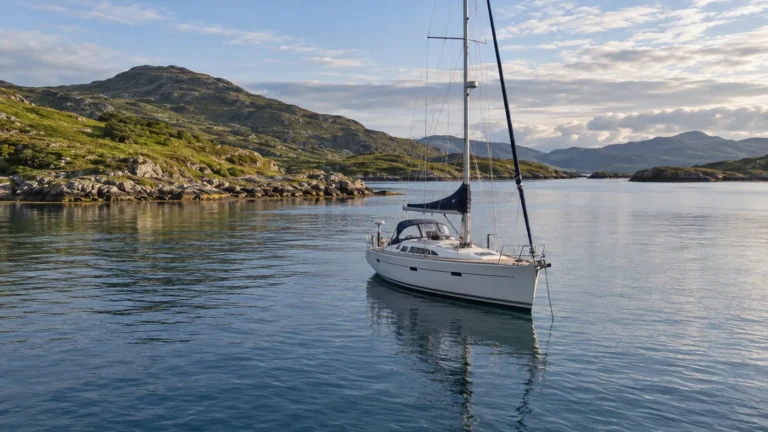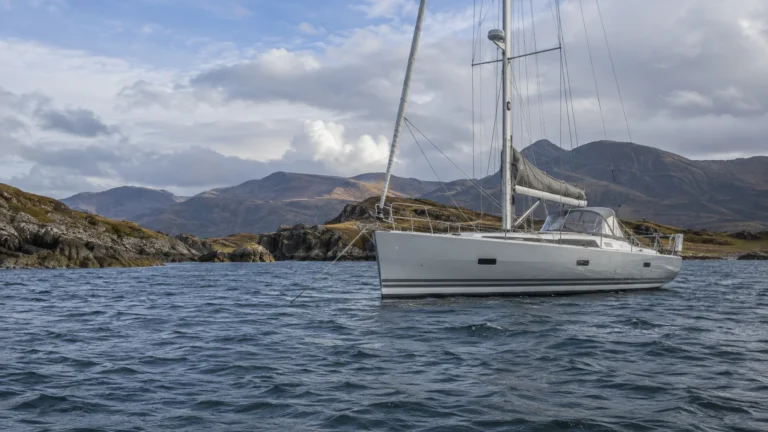
Anchors have come a long way since sailors threw rocks overboard to stop drifting. Over centuries, designs evolved from heavy irons with wooden stocks to complex steel sculptures that combine physics and metallurgy. The last 30 years have seen a renaissance in anchor design, with new models promising higher holding power and easier handling. The Knox anchor stands out among this new generation thanks to its split‑fluke geometry and conservative engineering. But how does it compare to both the “old guard” and other modern anchors? This article explores the evolution of anchor design and explains why Knox may deserve a spot on your bow roller.
A Brief History of Anchors
Early anchors were fisherman’s anchors – think of a ship’s anchor from a cartoon. They relied on sheer weight and sharp hooks to snag on the seabed. In the 1930s the CQR (Coastal Quick Release) plough anchor introduced a hinged shank and plough‑shaped fluke. This design improved penetration in sand but could be slow to set and tended to break out when the pull direction changed. The Bruce or claw anchor, developed in the 1970s, used a three‑pronged claw that set quickly in soft mud but struggled on hard sand and weed.
In the 1980s the Delta anchor modified the plough concept with a fixed shank and sharper, heavier fluke. It gained popularity for its simplicity and improved performance, yet it still relied on a single fluke that could clog and roll. The early 2000s saw a leap forward with roll‑bar anchors like the Rocna, Manson Supreme and Spade. Their roll bars ensured self‑righting, and their concave flukes created suction for strong holding. However, these designs still have solid flukes which can accumulate mud and may struggle to re‑orient quickly. More recently, manufacturers like Mantus and Vulcan have refined roll‑bar concepts, adding removable shanks or weighted tips.
How Knox Compares to Older Designs
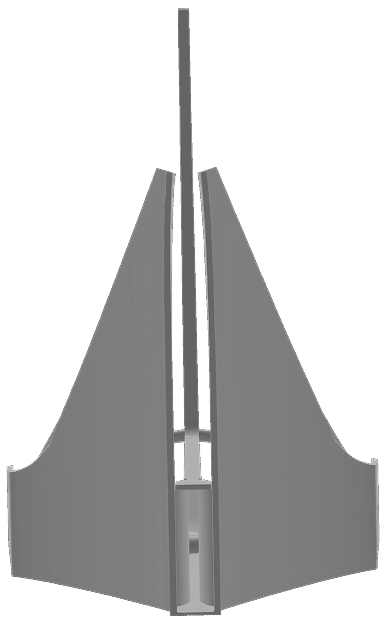
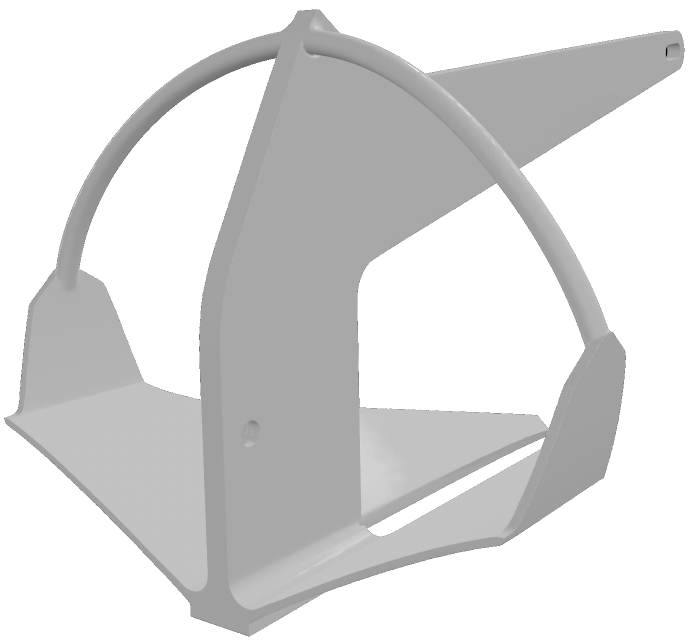
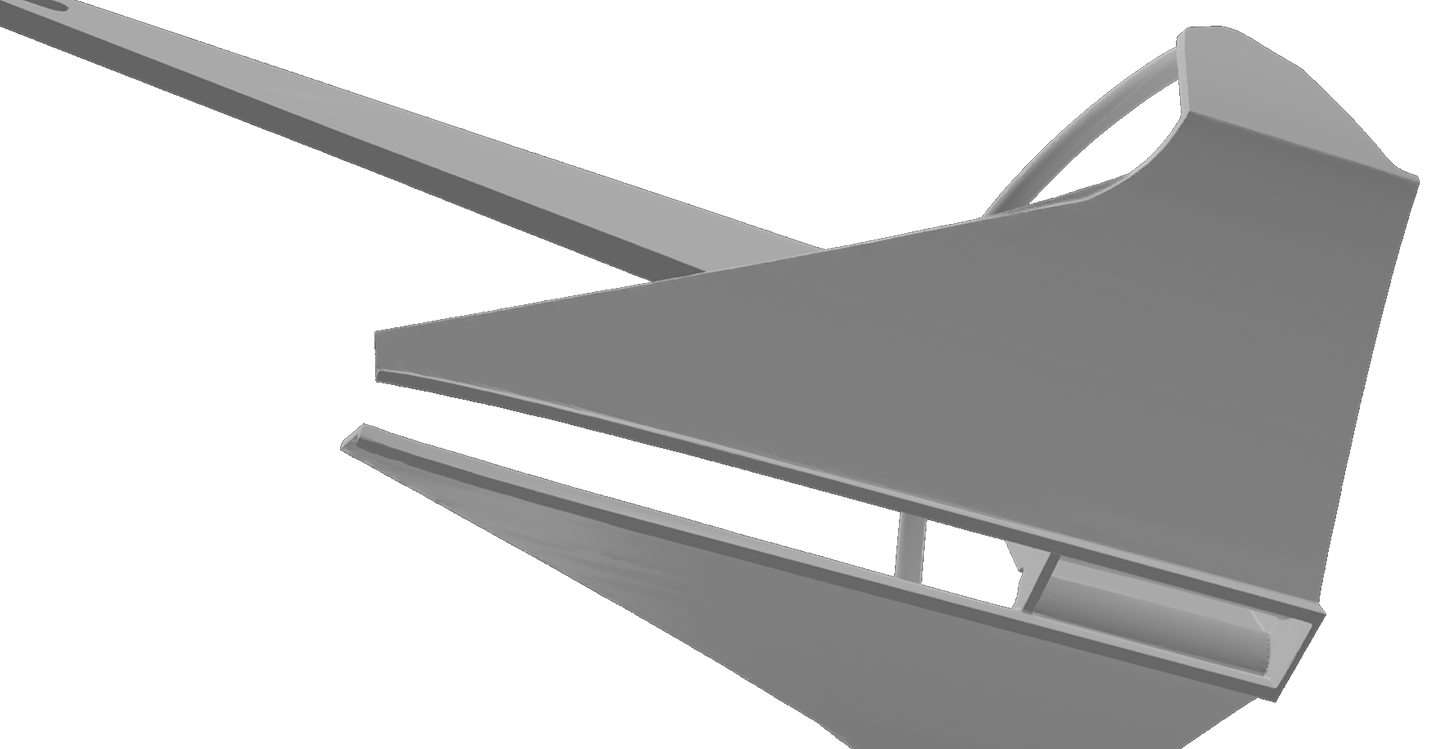
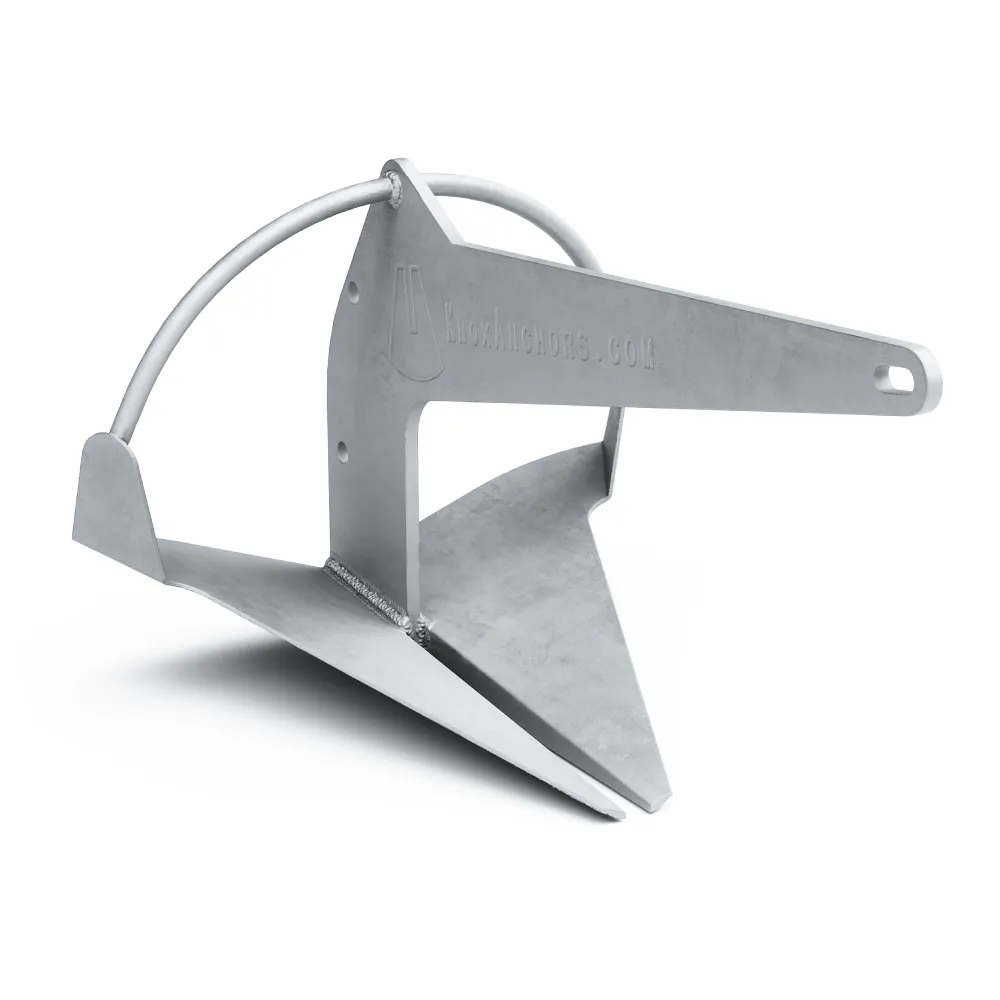
The Knox anchor takes inspiration from both ploughs and roll‑bar anchors but adds its split‑fluke innovation. Traditional anchors like the CQR, Bruce and Delta often struggle to penetrate hard sand and can roll out under high load . In comparative tests these anchors show breakout curves that drop off quickly after a few metres , meaning that once they start to drag they lose grip rapidly. Knox’s divided flukes, by contrast, slice into hard sand and continue to bury as load increases, producing curves that rise steadily . Because the flukes are separated, they shed mud as they set and reset , reducing the chance of carrying a mud ball when raised.
The roll bar on the Knox serves the same self‑righting function as on Rocna or Manson anchors, but the split flukes give it two additional advantages: the ability to pivot when the wind shifts and the self‑clearing channel down the centre . Roll‑bar anchors with solid flukes sometimes take several metres to reset after a 180° wind shift and can pull up a large plug of mud that prevents immediate re‑setting. Knox’s testing shows that its anchor typically resets within a metre .
Comparing Materials and Construction
Many “old guard” anchors were built from mild steel with relatively low tensile strength. Shanks could bend in extreme conditions, and galvanising was often thin. Knox uses grade‑80 high‑tensile steel and a 5× safety factor on the shank , meaning it can withstand loads far beyond what a cruising yacht should ever encounter. The anchor is also galvanised to ISO 1461, providing a thicker zinc coating for long‑lasting corrosion resistance . According to Practical Boat Owner and Yachting Monthly, the Knox’s shank is made from the highest tensile strength steel available and has a patented divided fluke with sharpened edges . Few anchors on the market combine these materials with such a conservative safety margin.
Case Study: Rocna, Spade and Manson
Roll‑bar anchors revolutionised anchoring, and models like Rocna, Spade and Manson Supreme remain popular. They have concave flukes that create a suction effect and often exhibit higher static holding than plough or claw designs. However, the solid fluke can accumulate mud. Rocna’s fluke is scoop‑shaped and fitted with a roll bar for self‑righting; the Spade uses a lead‑weighted tip and removable shank to aid storage; the Manson Supreme has a hollow roll bar to save weight. All three set quickly in sand and mud. Knox competes with these anchors by offering similar quick setting but with the added benefit of self‑clearing split flukes and a lower tendency to trundle through the seabed when loads increase .
Reasons to Choose Knox
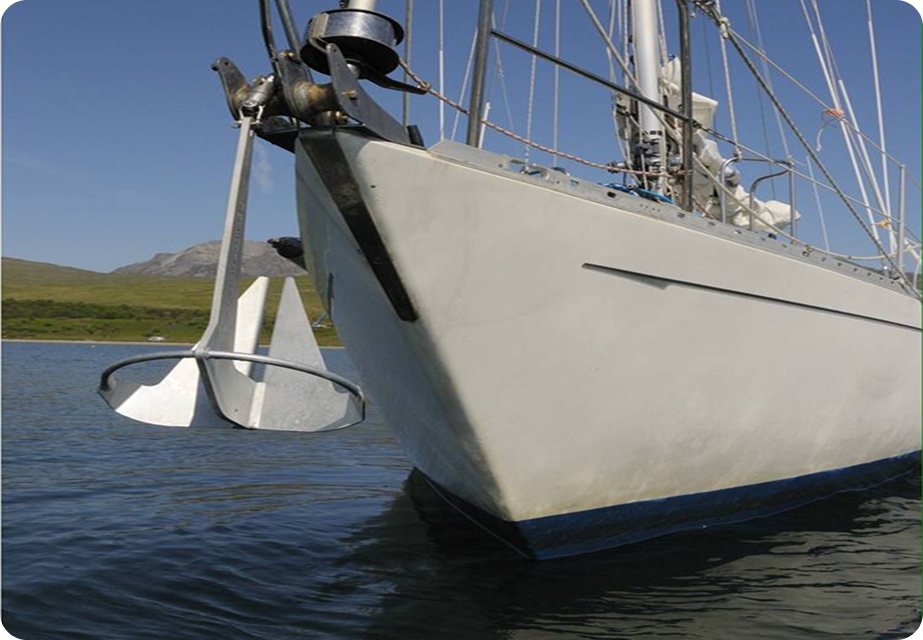
Yachting Monthly notes that Professor John Knox spent 20 years researching anchor loads and dragging events . His work led to the creation of an anchor that performs significantly better than popular models of its time . The magazine highlights the patented divided fluke with sharpened edges and the use of highest‑tensile‑strength steel . Practical Boat Owner adds that the anchor is ideal for offshore and long‑term cruising in severe conditions and lists “reasons to avoid” as essentially none .
If you sail mainly in hard sand or thin mud and value quick setting and deep burying, the Knox could be the best choice. Its ability to rotate and reset quickly makes it particularly attractive for cruising areas with strong tidal currents or wind shifts. The five‑times safety factor ensures the shank will not deform under shock loads. The only potential downside is that the roll bar and split fluke design can be more difficult to stow inside some anchor lockers; however, for most bow rollers the fit is comparable to other roll‑bar anchors.
Choosing The Right Anchor for Your Boat
No single anchor suits every boat and every seabed. Here are some guidelines:
- Day sailors and coastal cruisers who anchor occasionally in fair weather might prioritise ease of handling and price. A Delta or smaller roll‑bar anchor may suffice.
- Long‑term cruisers and offshore sailors need an anchor that holds in diverse conditions and resets reliably. The Knox’s performance under load, combined with its high safety factor, makes it a strong candidate.
- Boats with high windage (catamarans, trawlers, vessels with pilothouses) should choose a larger anchor than the basic length‑based recommendation . Knox’s high efficiency allows a lighter anchor to achieve the same holding as heavier competitors.
- Budget considerations: the Knox anchor sits in the middle of the premium anchor price range. Practical Boat Owner lists typical prices of around £330 for a 25 ft boat and £470 for a 35 ft boat – more than a generic plough but comparable with Rocna or Spade. Considering the materials and safety margin, many owners view it as good value.
Knox Anchor – The Best Anchor in Design Features and For Boat Needs
Anchoring may appear simple – drop the hook and relax – but the choice of anchor can mean the difference between a peaceful night and an emergency. Traditional anchors like the CQR, Bruce and Delta laid the groundwork for modern designs but suffer from limitations in penetration, clogging and re‑orientation . Roll‑bar anchors improved self‑righting and holding but still rely on single flukes. The Knox anchor marries roll‑bar stability with a split‑fluke design that offers rapid setting, deep burial and reliable resetting . With high‑tensile materials, a generous safety margin and glowing reviews from reputable magazines , it represents a compelling option for sailors who value security over tradition. Ultimately, the best anchor is the one you trust; by comparing design features and understanding your boat’s needs, you can choose the anchor that will keep you safe in whatever waters you explore.