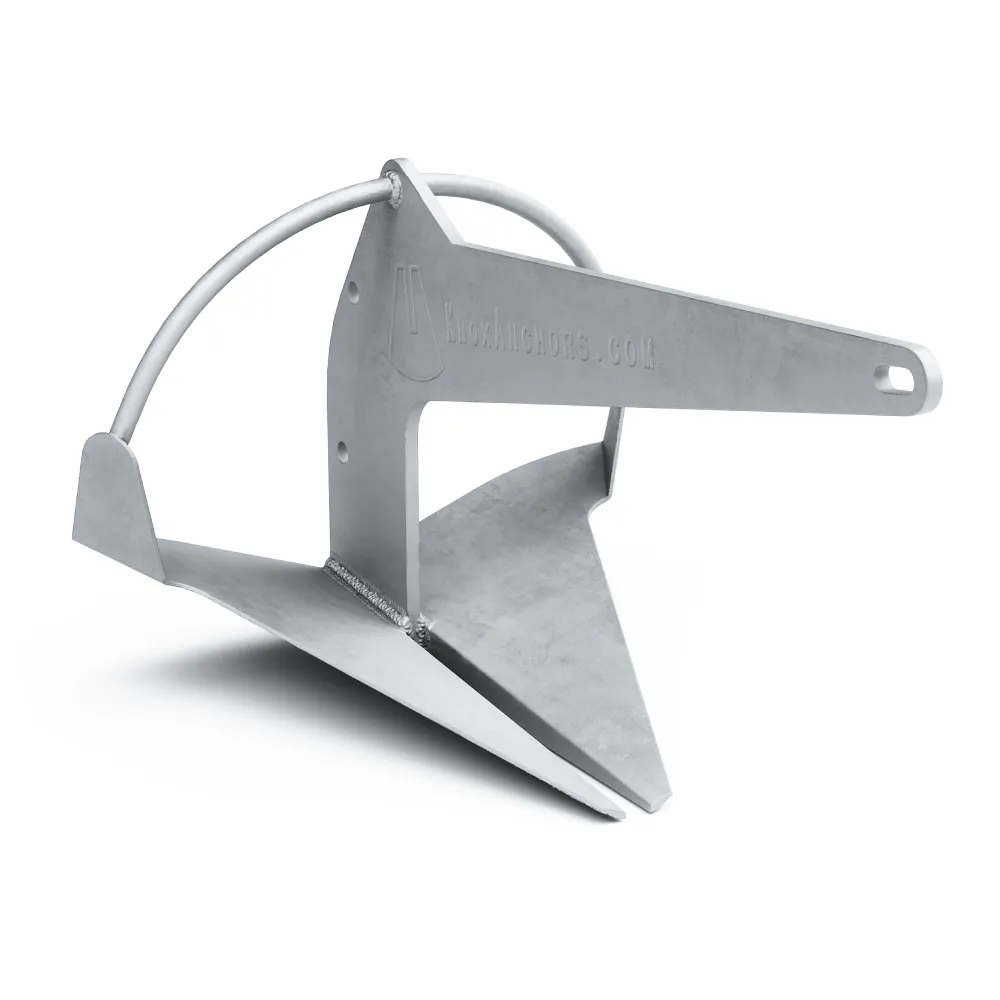
Knox Anchor
The progressive burial anchor engineered for absolute hold. Designed for the world's toughest seabeds.
CALM. BY DESIGN.
The only anchor engineered specifically for the moment the wind shifts.
[ 30+ Years ]
[ BUY DIRECT ]
[ UK & EU SHIPPING ]
[ BENEFITS ]
Why Knox Works
Sets fast in changing conditions
Engages the seabed quickly when it matters most.
Strong holding with less weight
Optimised geometry delivers reliable performance without bulk.
Predictable behaviour
Aligns and settles consistently in real conditions.
Resets quickly if conditions shift
Maintains position and re-engages when movement occurs.
Designed for behaviour, not just looks.
Self-clearing divided flukes
Prevents sticky sand and mud building up.
The split design allows materials to flow through the gap allowing rapid and deep setting.
Predictable under load
Focused on how anchoring behaves as loads change, not just the initial set.
Conservative design
Built to cope with real load cases, not brochure scenarios. 5x safety factor on the shank.
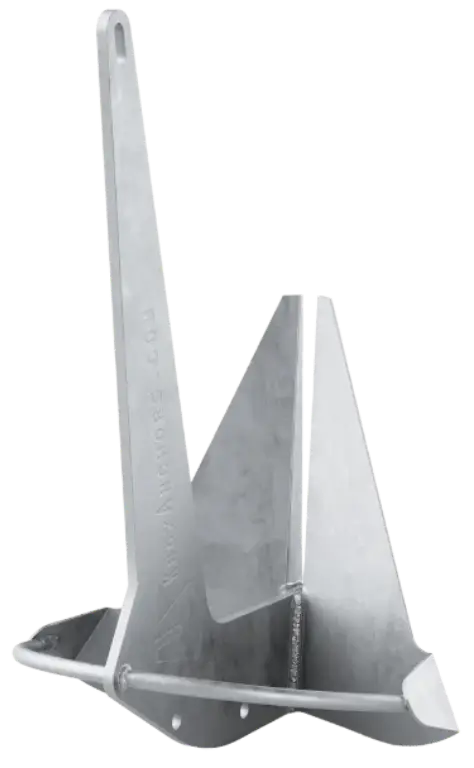
High-quality galvanising
Long-term corrosion protection, inside and out. ISO 1461 standards.
High holding power
Due to the size and design of the flukes, holding power is comparable to much larger and heavier anchors.
Proven over decades
Refined through long-term real-world use in Scottish waters.
Built to resist real-world loads.
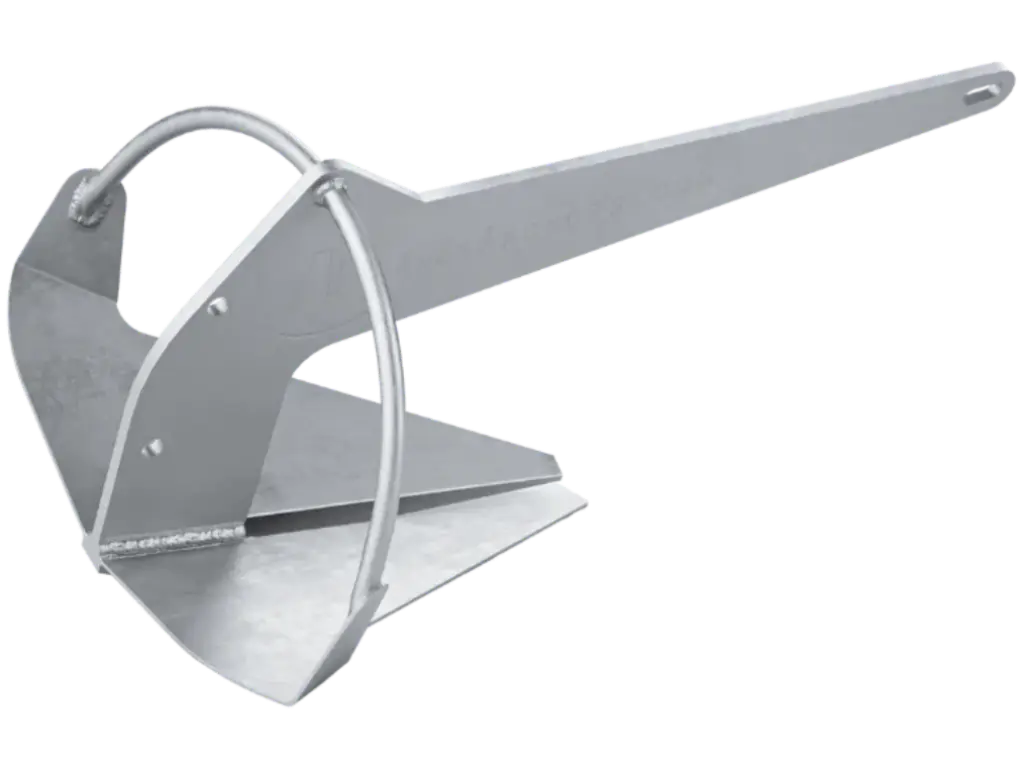
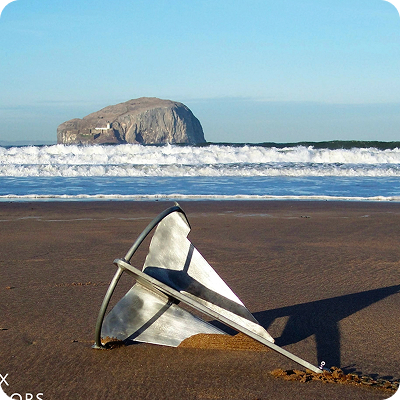
Divided fluke geometry
A distinctive working shape designed for consistent engagement.
Reinforced structure
Built with additional stiffening and section thickness to resist distortion under load.
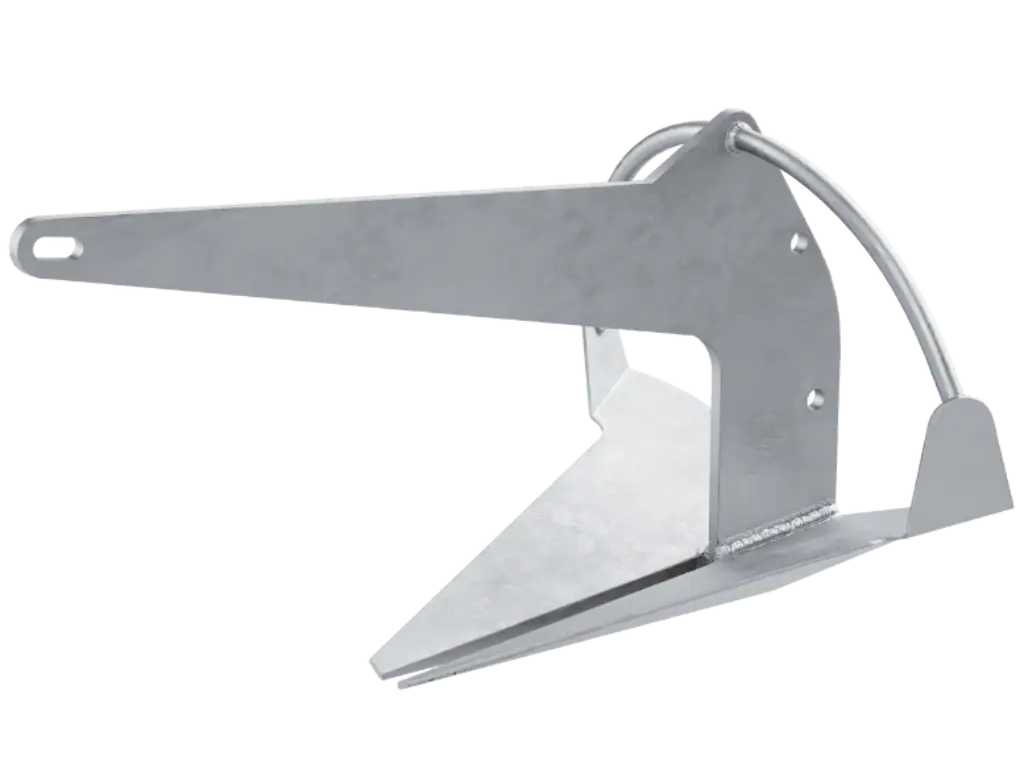
Why the fluke is split?
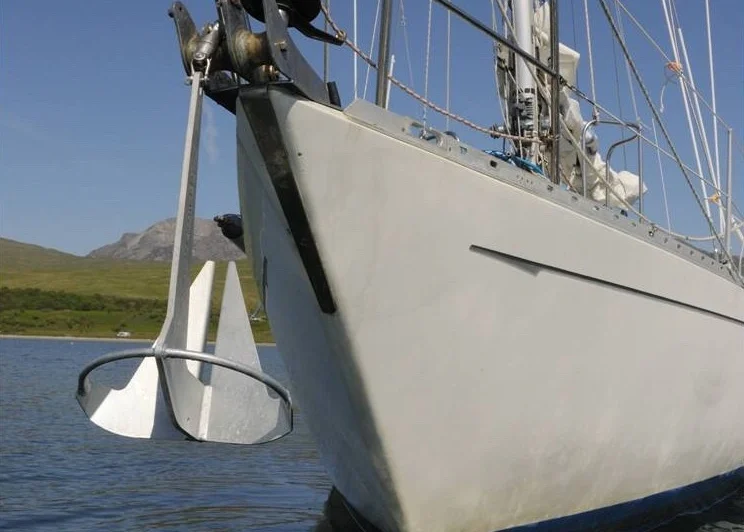
Designed for real anchoring
Sand and mud are able to flow through the centre allowing the anchor to set rapidly, helping the anchor maintain its working shape.
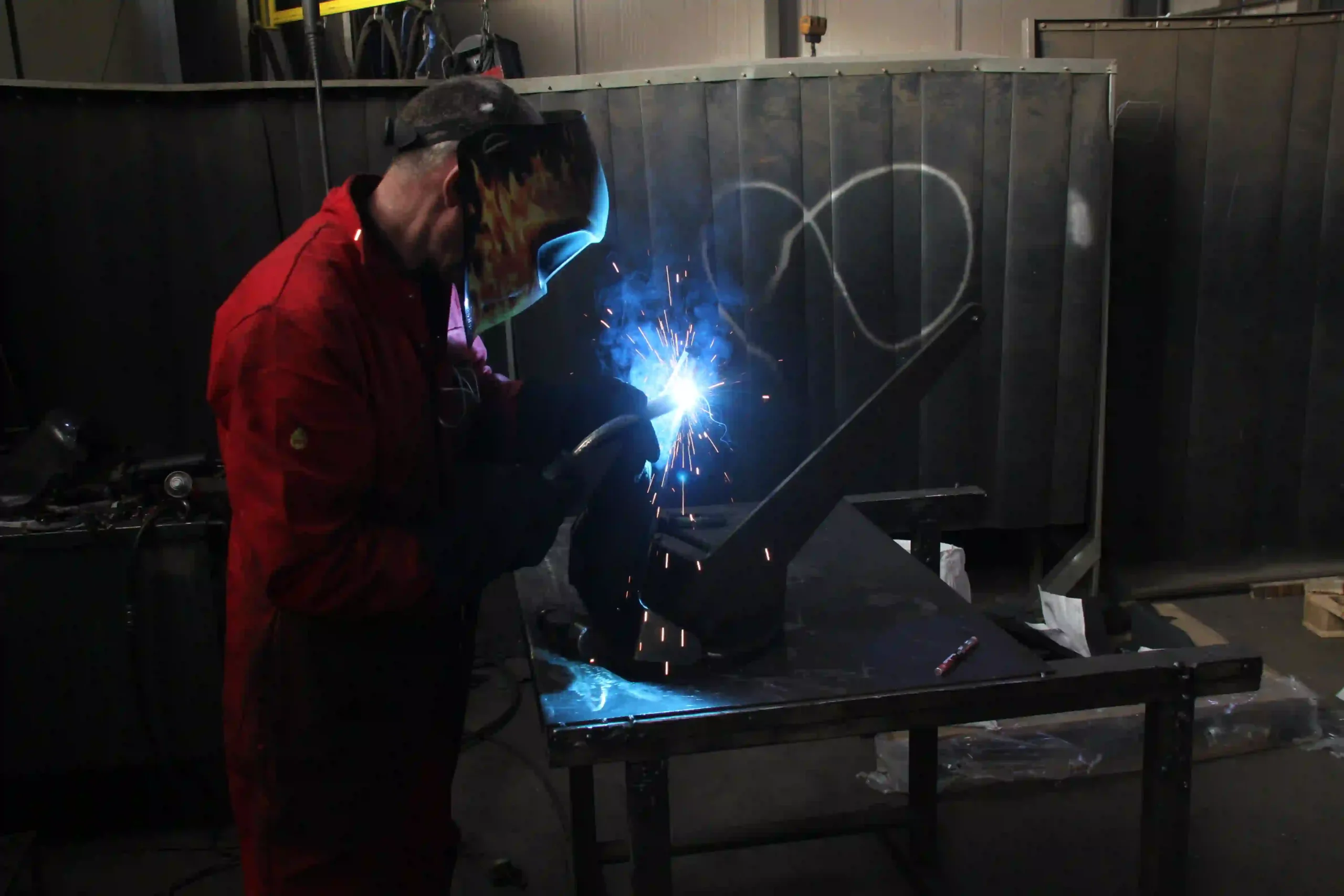
Designed to bury in seabed
The flow of material allows the anchor to bury deeply and rapidly.
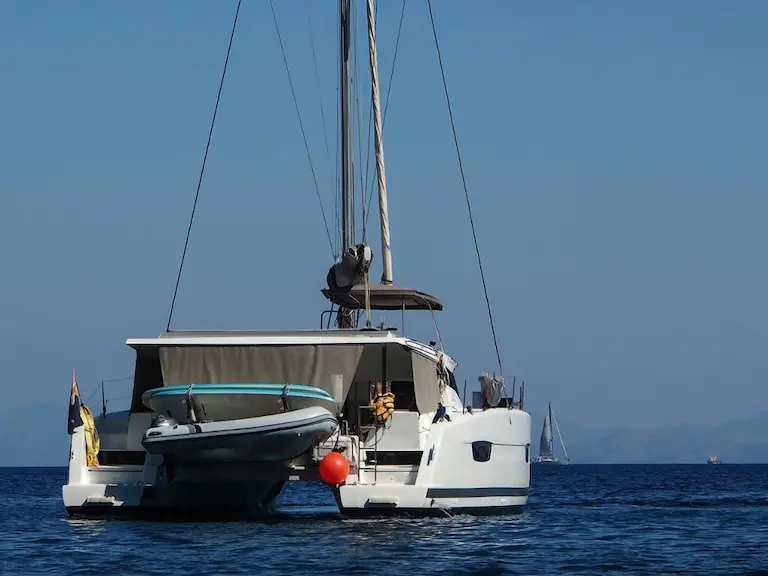
Buries deeply
Maintains maximum holding as wind direction or load increases.
[ REAL WORLD PHILOSOPHY ]
How it behaves when conditions change.
Anchoring isn’t a single action.
Loads build, wind and current directions shift, waves and swell build and seabeds vary.
Knox is designed to behave predictably as those things happen, so you stay in control.
When the wind shifts, Knox shifts with you.
Knox is designed to remain buried as the wind or current changes and will rapidly reset even when veered through 180°.
What happens after the anchor is set?
As wind builds, directions shift, and loads cycle, the anchor is designed to dig deeper and increase resistance as load builds.
Fast Setting
Designed to dig in and establish holding early in sand and mud, without needing repeated attempts.
Stays Burried
Once set, the anchor is designed to stay engaged with the seabed as wind and load build.
Predictable Reorientation
When wind or tide shifts, the anchor is designed to re-orient without sudden break-out.
Overload Behaviour
Rather than letting go suddenly, the anchor is designed to very gradually plough through the seabed limiting peak load on the anchor rode or deck equipment.
Find what size you need for your boat.
Vessel Parameters
Seabed Suitability
Knox is optimised for reliable setting in seabeds with uniform consistency such as sand, mud or gravel.
In less uniform seabeds — such as heavy kelp or seaweed, large gravel, coral or rock — anchoring becomes unreliable and these seabeds should be avoided whenever possible.
Knox Optimised
SAND / MUD — EST
GRAVEL / SHINGLE / MIXED
ROCK / KELP — AVOID
This is general anchoring advice for the majority of anchors.
Fit and stowage matter.
Don’t guess based on a chart. Tell us your boat specs, and we will confirm the exact size you need.
1. Fluke Clearance
Does the fluke clear the hull on retrieval?
2. Roll Bar
Will the roll bar contact the pulpit?
3. Roller Width
Is the bow roller wide enough?
4. Stowage
Windlass spacing and locker fit.
Check your fit with a 1:1 scale printout
No guesswork. Print the PDF and overlay it on your bow roller.
Engineering, backed by testing.
Test-Led Design
Developed from a science-based anchor testing method, before the anchor itself was designed.
Proven Geometry
Core geometry refined through long-term testing and use, and intentionally unchanged for over 30 years.
Material Integrity
High-tensile steel and hot-dip galvanising selected for strength, durability, and long-term marine use.
Write a Review
×Review Details
×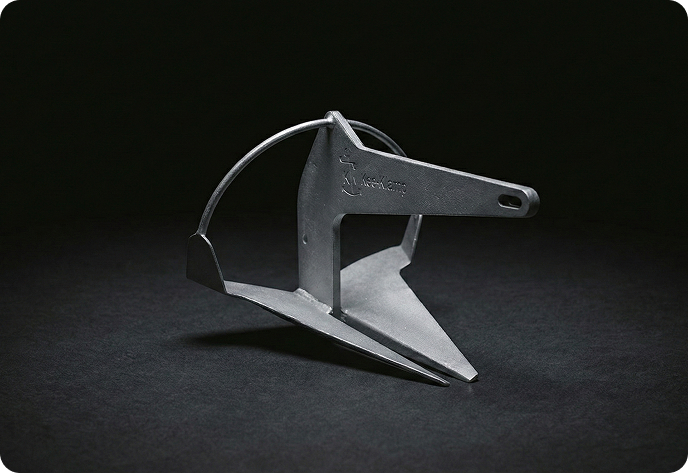
Core Specifications
Anchor Details
Materials & Finish
Recommended Shackle
* Values based on high-quality, rated shackles from established manufacturers.
If you’re unsure about size or fit, just ask.
We’re happy to help you choose confidently.