Why Anchor Design Changes Achoring Techniques
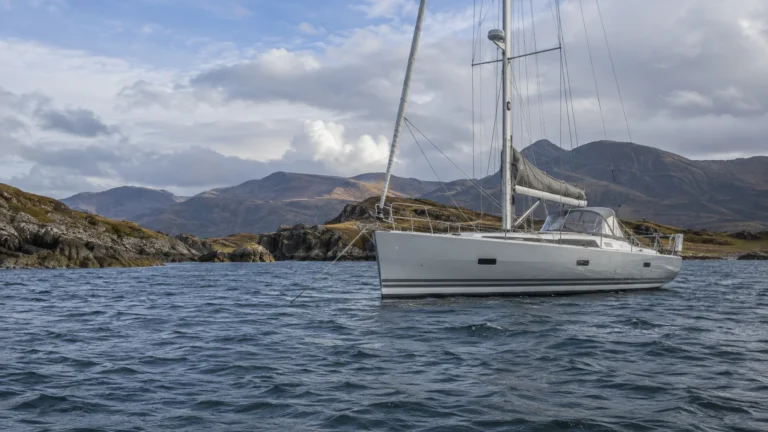
Successful anchoring in UK and European waters is rarely as simple as dropping the hook and reversing. From the strong tidal streams of the Solent and English Channel to the meltemi-driven anchorages of the Greek islands or the weedy and rocky spots common in Swedish archipelagos, conditions change quickly. Poor technique or underestimating dynamic loads can lead to dragging, especially on boats common in these waters — from cruising yachts to catamarans.
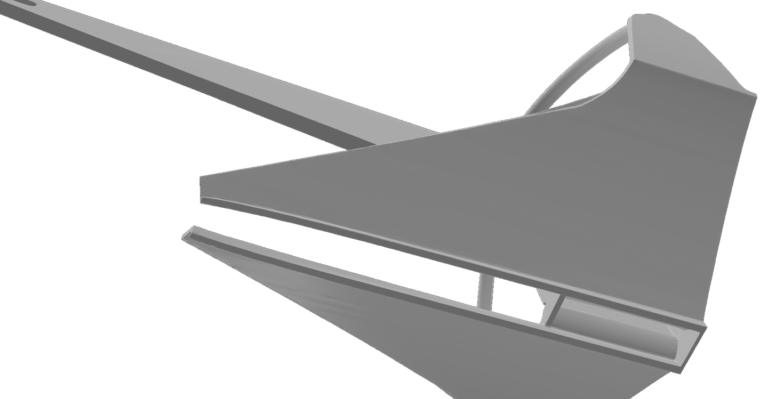
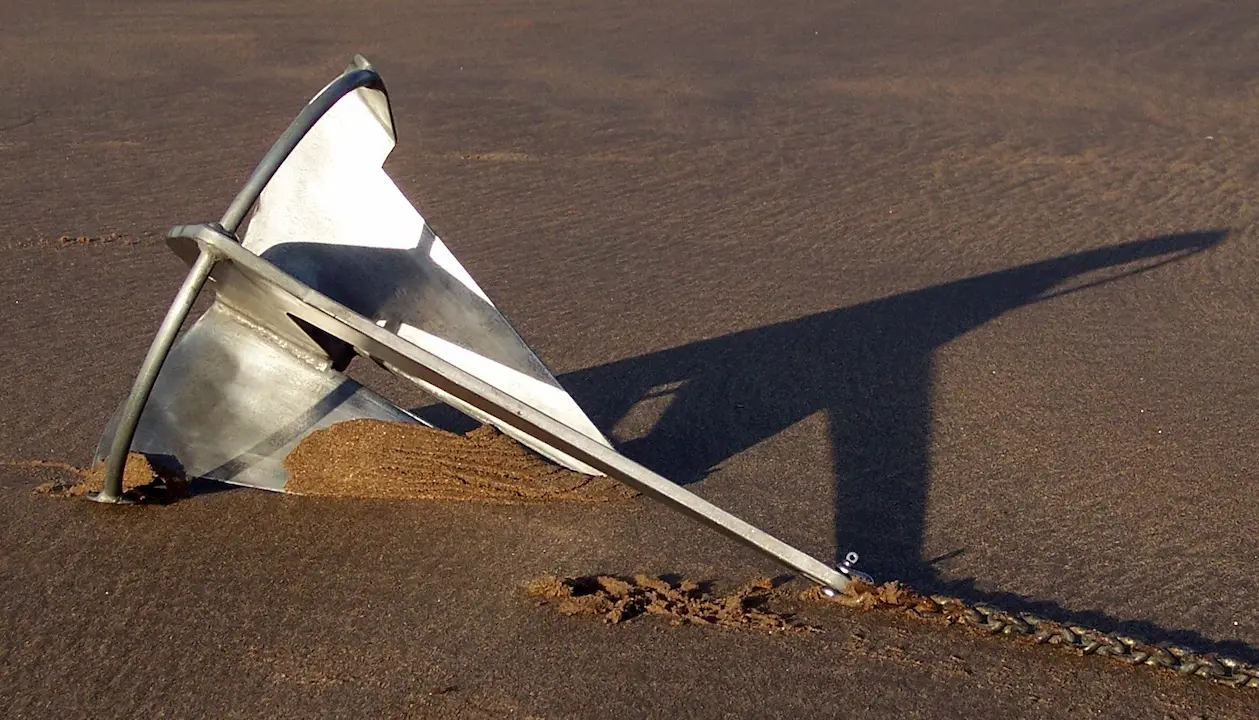
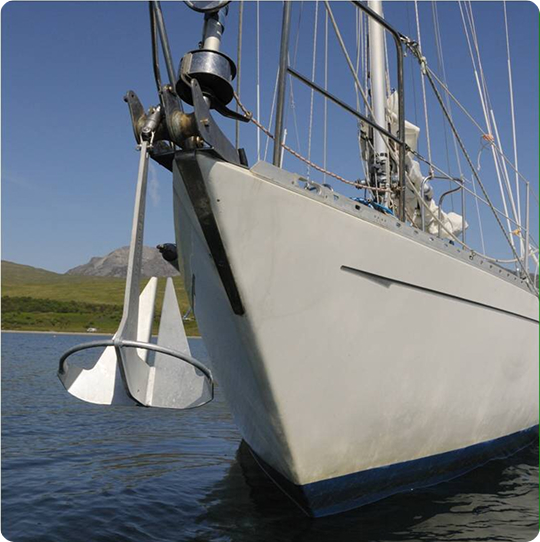
The Knox Anchor’s split-fluke and roll-bar design was developed to deliver reliable setting, deep burial and efficient resetting across varied seabeds and load directions. Understanding how to deploy it properly in real European conditions significantly improves overnight security and confidence.
Traditional anchors often rely heavily on weight and fixed geometry. Modern designs like the Knox focus on controlled penetration, rapid engagement, stability under shifting loads and reliable resetting. This matters hugely in UK and European waters where tidal reversals, wind shifts and short steep seas are common.
Rather than skidding along the seabed, a properly deployed Knox Anchor is engineered to set quickly while maintaining stable geometry as conditions change — whether you’re anchoring in a busy south coast harbour or a more exposed Greek island bay.
How the Knox Split-Fluke Design Works
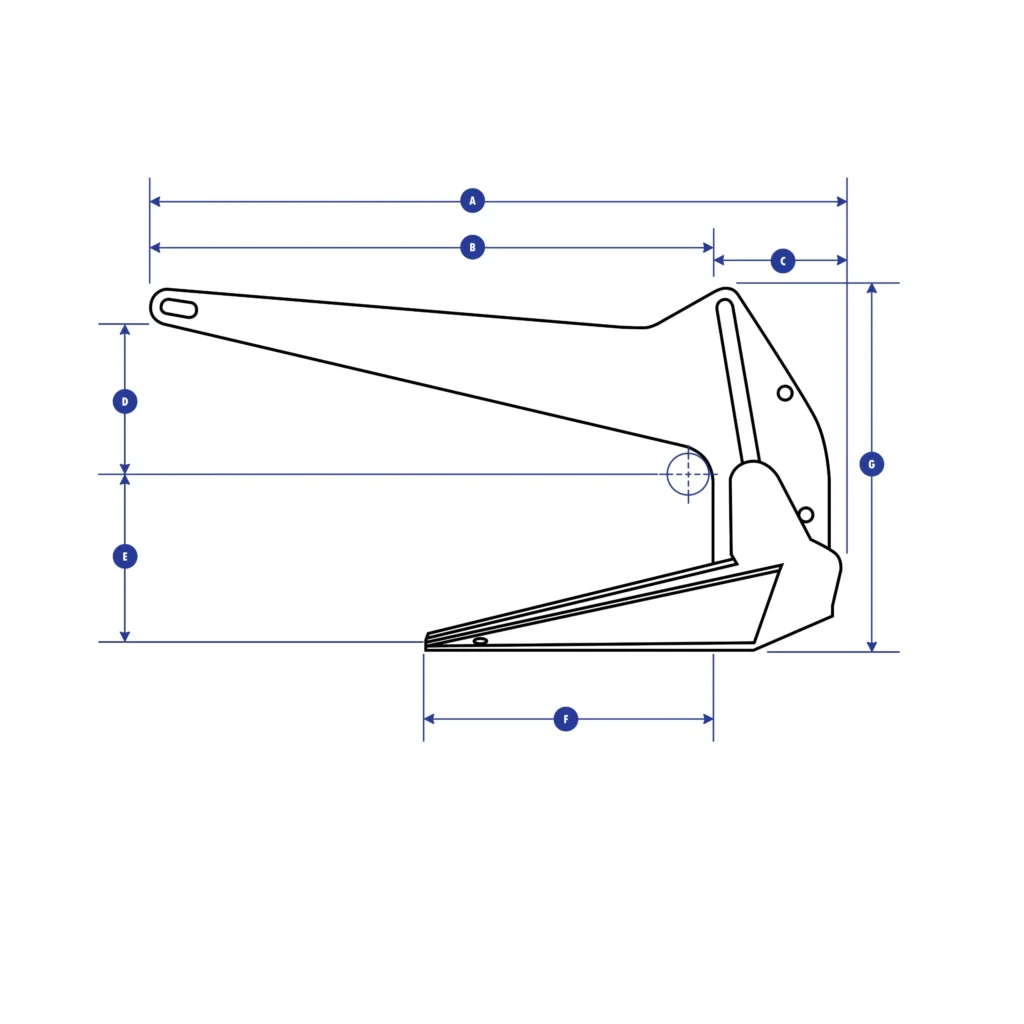
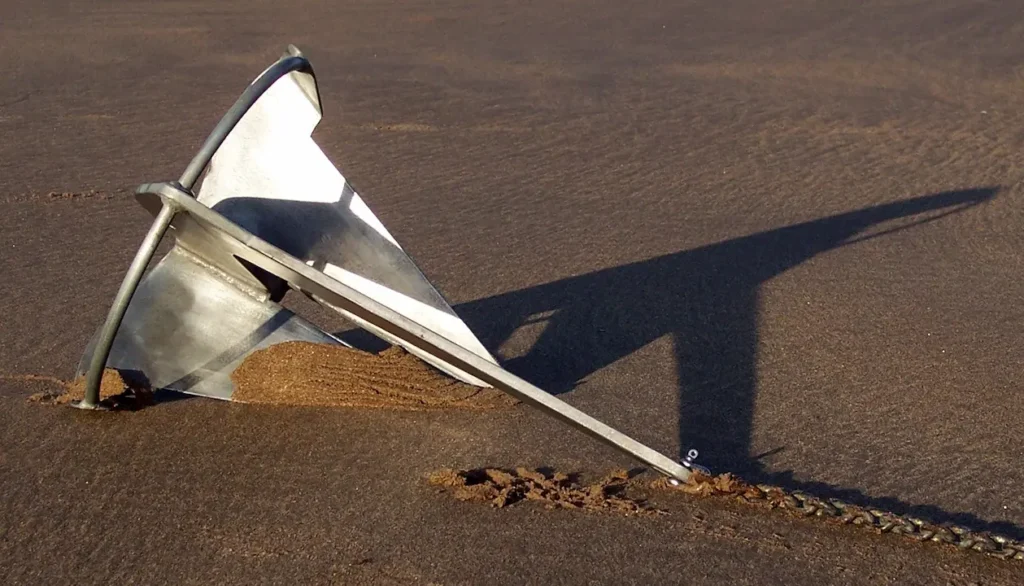
The split-fluke configuration helps the anchor establish grip efficiently and encourages deeper burial as load increases. The integrated roll-bar assists correct orientation as it settles. Together these features support better initial setting, stability, deep burial and reset behaviour after wind or tidal shifts.
These characteristics prove especially valuable when anchoring in:
- Strong tidal streams (common around the UK south coast and some northern European passages)
- Hard-packed sand (frequent in many English Channel and North Sea harbours)
- Weed and grass bottoms (prevalent in UK East and West Country anchorages, and some Greek spots with posidonia seagrass — take care not to damage protected areas)
- Muddy seabeds
- Areas with rapid wind or tide changes
Best Practices for Setting an Anchor in Hard Sand
Hard sand appears in many popular UK south coast anchorages and approaches. Dense seabeds can reduce penetration if the anchor approaches at the wrong angle or if you apply too much speed during deployment.
To set a Knox Anchor effectively in hard sand:
- Lower it under control rather than dropping it aggressively.
- Deploy adequate scope early (at least 5:1 in good conditions; more in stronger tides or poorer holding).
- Apply slow, steady reverse thrust to encourage controlled penetration.
- Observe alignment — the roll-bar helps orient the anchor correctly as load builds.
- Increase load progressively once initial set is confirmed.
The split-fluke geometry helps maintain engagement even in compacted conditions where some traditional designs struggle.
Anchoring in Mud, Weed and Grass Bottoms
Soft mud and grassy seabeds are very common in UK waters (East Coast, many West Country and Solent spots) and some Mediterranean anchorages. In mud you need sufficient burial depth for meaningful resistance. In weed or seagrass, the challenge is penetrating vegetation to reach firmer substrate beneath.
The Knox design assists by encouraging rapid penetration, maintaining stable alignment and supporting deep burial. For catamarans and lighter displacement vessels (common in European cruising), maintaining proper scope is especially important because lower hull momentum can sometimes reduce initial penetration energy.
Recommended practices include:
- Increasing scope in softer or weedy bottoms
- Applying slow, steady reverse thrust
- Allowing time for full burial
- Monitoring position carefully during wind or tidal shifts
Note on seagrass: In Greek waters and some other European spots, avoid ploughing through protected posidonia meadows. Choose sandy patches where possible and use techniques that minimise disturbance.
How Roll-Bar Anchors Reset During Wind and Tide Shifts
One of the most critical safety factors in UK and European waters is reset capability. Overnight conditions frequently involve wind direction changes, tidal reversals, vessel yawing and squall passages. When load direction changes abruptly, some anchors may partially break out before re-engaging.
The Knox roll-bar system is designed to help the anchor regain proper orientation rapidly after these shifts. This improves stability during reversal, re-engagement speed and resistance to prolonged dragging — particularly useful in areas with strong tidal streams or frequent weather changes, such as the English Channel or Aegean.
Preventing Anchor Dragging in Storm Conditions
Anchoring in severe conditions requires preparation well before the weather deteriorates. In UK waters, gales and rapid frontal systems can generate significant loads. In the Med, summer squalls or strong meltemi winds create different but equally demanding challenges.
Key factors for holding in storm conditions:
- Correct anchor sizing for your vessel’s true windage and displacement
- Adequate scope (increase in poor holding or strong conditions)
- Proper seabed selection where possible
- Effective snubber systems (high-stretch nylon helps absorb shock loads common in short UK seas)
- Load management — reducing yawing and sudden snatch loads improves overall stability
The Knox Anchor’s deep burying capability and stable geometry help maintain holding under dynamic loading where many traditional anchors may struggle.
How to Calculate Real Anchor Loads on Your Boat
Many sailors underestimate the true forces on their anchoring system. Actual anchor loads depend on far more than static boat weight — windage area, hull profile, wave action, yawing, current velocity, gusts and chain catenary all play a part.
In strong winds or short steep seas (very common in UK coastal waters), loads can increase dramatically. This is why anchor design, steel strength and resetting behaviour are critical for offshore and coastal anchoring in European waters. A properly engineered system must withstand both sustained loading and rapid dynamic shock events.
Anchoring Techniques for Catamarans and Heavy Displacement Yachts
Catamarans often experience higher windage, faster yawing and greater snatch loading — factors that create severe dynamic loads. Heavier monohulls generate substantial momentum during wave action and tidal reversals.
In both cases, reliability depends on deep burial capability, structural integrity, reset performance and shock load resistance. Modern split-fluke anchors with roll-bar stabilisation are particularly valuable for these vessel types in the variable conditions found around the British Isles and across European cruising grounds.
Common Anchoring Mistakes That Reduce Holding Power
Even premium anchors underperform if deployed incorrectly. Common issues include:
- Insufficient scope
- Excessive reversing speed during setting
- Poor seabed selection or ignoring local conditions
- Failing to account for wind or tidal shifts
- Undersized or poorly configured snubbers
- Overconfidence in crowded or exposed anchorages
Understanding how your anchor behaves under real loads is essential for safer anchoring in UK and European waters.
Final Checklist Before Overnight Anchoring
Before committing to an overnight anchorage in UK or European waters:
- Verify the anchor is fully set (use transits or GPS)
- Confirm adequate scope for the conditions
- Monitor position regularly (anchor alarm apps are invaluable)
- Check tidal stream information and forecasts (UKHO apps, local tide tables or pilot books such as Reeds or the Greek Waters Pilot)
- Inspect snubber configuration
- Ensure the anchor has buried properly
- Review swing room and nearby vessels
- Have a plan for rapid retrieval if conditions deteriorate
Anchoring safely in UK and European waters ultimately comes down to preparation, understanding local conditions and using equipment engineered for real-world performance. The Knox Anchor’s split-fluke and roll-bar design provides rapid setting, deep burial and resetting capability that supports confident anchoring whether you’re in a tidal UK harbour, a Greek island bay or a Swedish archipelago.