
The Overlooked Importance of Steel
When boat owners compare anchors, most conversations focus on shape, holding power or weight. Yet one of the most important factors behind real‑world anchoring safety is often overlooked: the steel itself. A modern anchor is not simply a heavy object designed to grip the seabed; it is a highly engineered safety device that must withstand enormous dynamic loads generated by wind, waves, tidal movement and vessel motion. In severe conditions the loads acting on an anchor system can become extreme, especially during shock‑loading events where the boat surges against the rode. This is where material selection becomes critical.
Knox Anchors are engineered using high‑tensile Grade 80 steel combined with precision fabrication and ISO 1461 hot‑dip galvanisation. This combination delivers exceptional structural strength, durability and reliability under real offshore conditions. By understanding the metallurgy and manufacturing behind a premium anchor, sailors appreciate why quality matters far beyond simple weight alone.
Why Steel Quality Matters in Marine Anchoring
Traditional anchors are often manufactured from mild steel. While inexpensive and easy to fabricate, mild steel has significant limitations when subjected to repeated marine loading:
– Constant saltwater exposure and corrosion
– Cyclic loading from wind and swell
– Shock loads from gusts and wave action
– Abrasion from sand, gravel and rocky seabeds
– Slow fatigue developing over years of use
The anchor shank is particularly vulnerable because it experiences concentrated tensile and bending forces. If the shank deforms, holding performance is compromised immediately. For this reason, premium anchors increasingly rely on high‑tensile steel rather than conventional mild steel construction.
What is High-Tensile Grade 80 Steel?
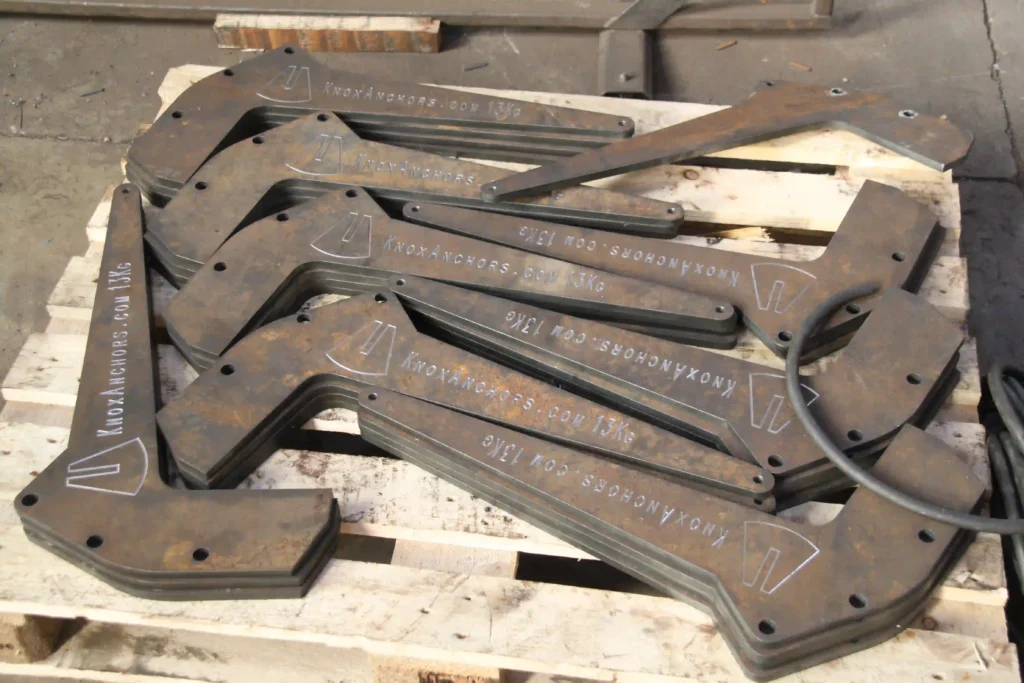
High‑tensile steel is engineered for significantly greater strength compared with standard grades. Grade 80 steel is respected in demanding industrial sectors because of its load‑bearing characteristics and toughness. Knox utilises Grade 80 high‑tensile steel with tensile strengths approaching 900 MPa. Specific materials used in the anchor include:
- Q690D high‑tensile carbon steel for the shank — a low‑alloy material that is quenched and tempered to reduce lateral bending .
- S355 carbon steel for the flukes and roll bar — providing high strength where flexibility is less critical .
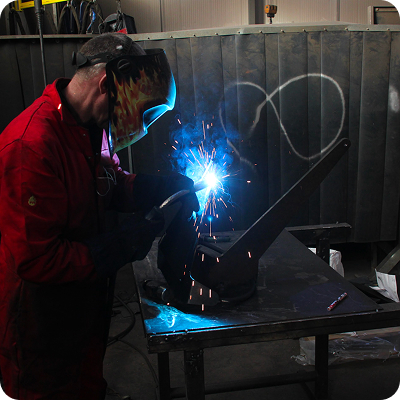
- MIG welding (Metal Inert Gas) processes to ensure consistent fusion and strength .
Key Benefits of High‑Tensile Construction
- Increased structural strength: tolerates higher dynamic loading without permanent deformation.
- Improved shock‑load resistance: absorbs the sudden forces generated by heavy weather and vessel movement.
- Reduced risk of shank failure: maintains structural stability even under severe offshore conditions.
- Optimised strength‑to‑weight ratio: allows engineering optimisation without compromising durability.
For serious offshore sailors and long‑distance cruisers, these benefits directly influence anchoring confidence and onboard safety.
Why Anchor Shank Strength is Critical under Shock Loads
Most anchor failures do not occur during steady loading; they happen during dynamic shock events. These loads occur when:
- A yacht surges backward in gusting wind
- Swell causes repeated snatching on the chain
- Tidal changes rapidly alter vessel orientation
- Storm conditions create cyclic loading
- The anchor momentarily breaks out before resetting
During these moments, forces on the shank can exceed what many sailors expect. A heavy‑duty yacht anchor must withstand tensile stress, torsional loading, side loading, bending moments and fatigue cycles over many years. By using Q690D high‑tensile steel combined with precision engineering, Knox anchors are designed to maintain alignment and structural integrity even under severe marine loading.
Understanding ~900 MPa Steel Performance
Steel strength is measured in megapascals (MPa), representing resistance to stress before deformation occurs. The approximately 760–930 MPa tensile characteristics associated with Knox anchor construction place the material well above many conventional marine steels. In practical terms this means:
- Greater resistance to bending and deformation
- Increased fatigue durability over many loading cycles
- Higher tolerance under repeated shock events
- Reduced likelihood of permanent deformation or failure
Because anchors are not static devices, every anchorage introduces changing load conditions influenced by wind speed, fetch, boat displacement, chain length, tide and yawing behaviour. A stronger steel structure helps ensure the anchor maintains its intended geometry and performance over time.
How Knox Anchors are Manufactured in Scotland
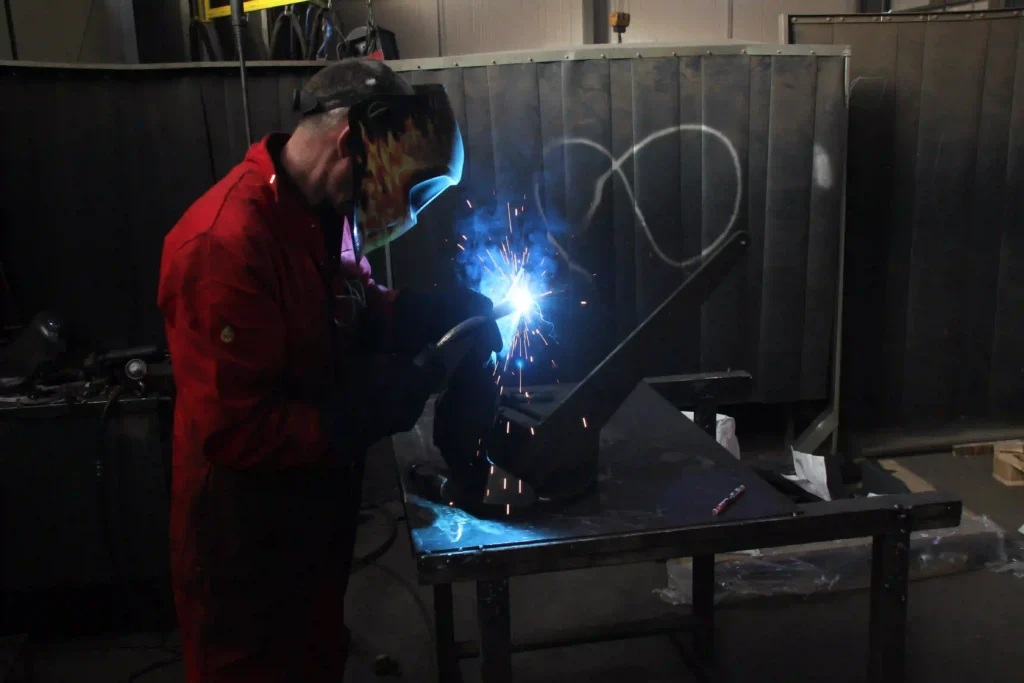
Knox anchor manufacturing combines advanced engineering principles with marine‑specific fabrication expertise.
The split‑fluke design itself is based on extensive research into how anchors interact with seabeds under varying load conditions. Manufacturing incorporates:
- Precision steel fabrication using Grade 80 and S355 steels
- Controlled MIG welding procedures and structural reinforcement in critical load zones
- High‑strength material selection based on empirical test data
- Scottish engineering heritage that emphasises durability, empirical testing and real‑world reliability
Knox anchors are built by engineers, not marketers, prioritising performance and structural integrity over cost‑driven compromises.
ISO 1461 Hot-Dip Galvanisation Explained
Corrosion is one of the greatest long‑term threats to any marine anchor. To combat this, Knox anchors are hot‑dip galvanised to ISO 1461 standards. This involves immersing the finished anchor into molten zinc, creating a metallurgically bonded coating. Advantages include:
- Sacrificial protection: even if the coating is scratched, zinc continues protecting the underlying steel.
- Corrosion resistance: protects against saltwater exposure and extends the service life of the anchor.
- Abrasion protection: withstands repeated contact with sand, mud and seabeds.
ISO 1461 galvanisation delivers long‑term durability and abrasion protection far beyond that of poorly coated alternatives.
Corrosion Resistance and Long‑Term Durability at Sea
Anchors endure constant environmental abuse: repeated submersion, burial, abrasion and saltwater drying cycles. Poor corrosion resistance leads to:
- Surface degradation and pitting
- Reduced structural strength
- Weakening of load‑bearing sections
- Increased risk of failure
High‑quality galvanisation combined with high‑tensile steel construction reduces these risks significantly. For blue‑water cruisers and offshore sailors, long‑term reliability matters as much as initial holding power; a premium anchor should remain dependable after years of demanding marine use.
How inferior anchors fail in severe conditions
Structural weaknesses often develop slowly through repeated loading and fatigue. Common failure points in poorly engineered anchors include:
- Bent or distorted shanks
- Deformed flukes and roll bars
- Weld fatigue and cracking
- Corrosion around stress zones
- Reduced reset capability after deformation
During severe weather, these weaknesses can become catastrophic. An anchor that deforms under load may no longer align properly with the seabed, reducing holding power precisely when maximum reliability is needed. Engineering quality, material selection and manufacturing standards should never be viewed as secondary considerations.
Why Premium Manufacturing Reduces Anchor Dragging Risk
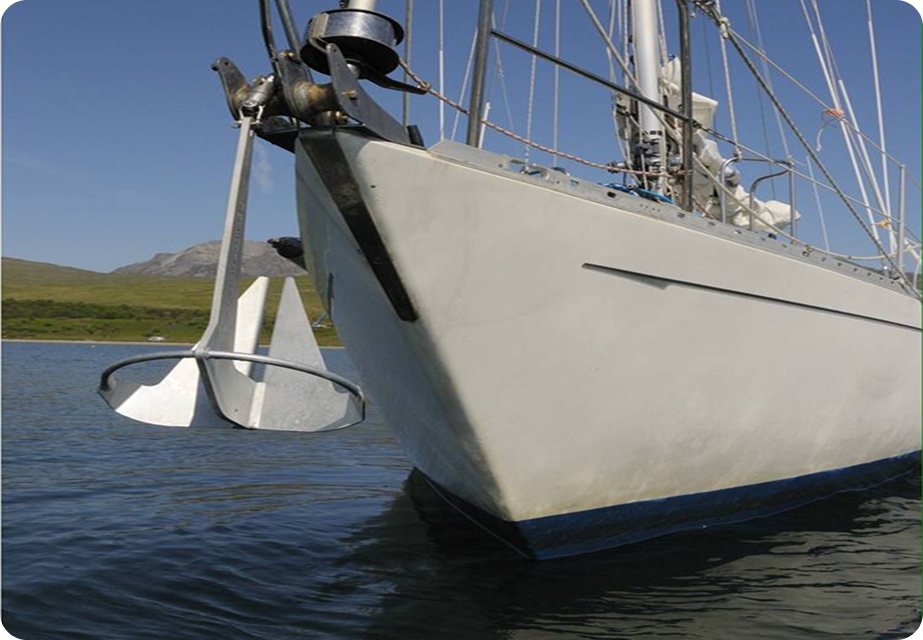
Anchor dragging is not always caused by poor seabed conditions. Often it results from the anchor’s inability to penetrate effectively, from geometry that deforms under load or from designs that struggle to reset after breakout. Knox anchors address these issues through a combination of:
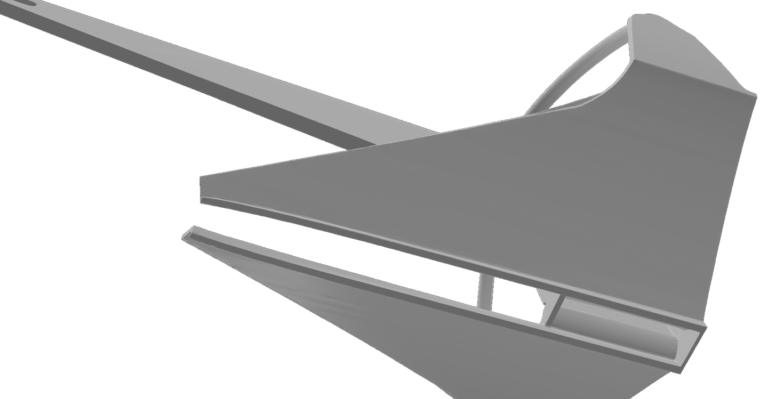
- Split‑fluke geometry for deep, predictable setting
- Roll‑bar stabilisation to ensure self‑righting
- High‑tensile steel construction for structural integrity
- Precision manufacturing and reinforcement of critical zones
These design principles improve both setting behaviour and long‑term reliability. For sailors anchoring overnight or offshore, confidence in the anchor system becomes essential.
Final Thoughts: Engineering Confidence Into Every Anchorage
A premium anchor is far more than a shaped piece of steel; it is a carefully engineered safety system designed to withstand demanding dynamic forces. By combining high‑tensile Grade 80 steel, approximately 760–930 MPa structural performance, ISO 1461 hot‑dip galvanisation, precision Scottish manufacturing and advanced split‑fluke engineering, Knox anchors deliver a level of structural integrity designed for serious sailors and demanding offshore conditions.
For boat owners who prioritise safety, durability and engineering quality, understanding the materials behind the anchor is just as important as understanding the design. When severe weather arrives, confidence starts behind the steel.
Explore the engineering behind Knox anchors and discover how high‑tensile steel, precision Scottish manufacturing and scientific galvanisation improve anchoring confidence in demanding offshore conditions. Visit our
to see detailed specifications and choose the right size for your boat.
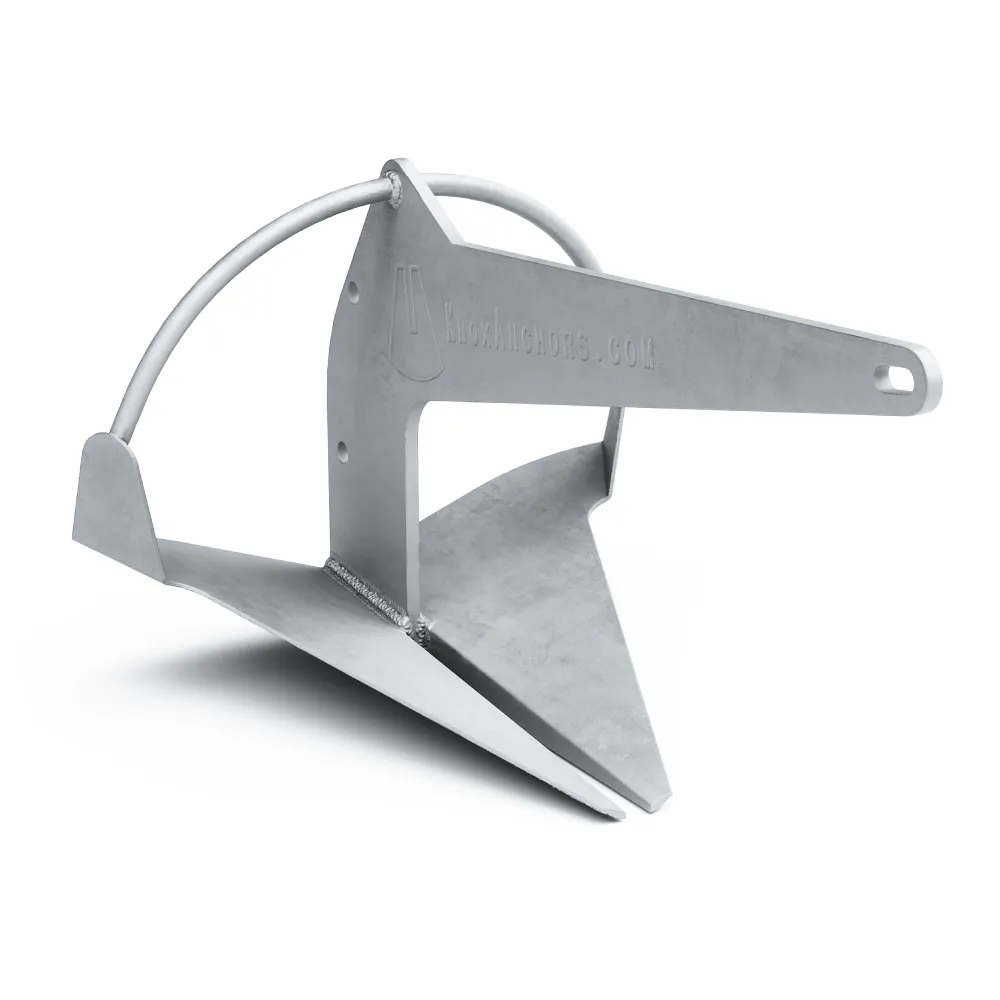
Explore the Science and engineering behind Knox anchors and discover how high‑tensile steel, precision Scottish manufacturing and scientific galvanisation improve anchoring confidence in demanding offshore conditions.
Visit our Knox Anchor Product Page to see detailed specifications of our Knox Anchor and choose the right size for your boat.