A modern anchoring system is only as strong as its weakest component. While sailors often focus heavily on anchor selection, the hardware connecting the ground‑tackle system plays an equally important role in offshore safety and reliability. Shackles, swivels and snubbers aren’t mere add‑ons; they are critical load‑management components that absorb stress, reduce twisting forces, protect deck equipment and improve overall anchoring performance. In severe weather, poor‑quality fittings or incorrectly configured accessories contribute to shock‑loading failures, chain twist and excessive deck strain. Knox Anchors offers a carefully selected range of accessories designed to work together as a complete offshore anchoring system. Understanding how these components function helps boat owners build safer, more reliable ground tackle for demanding marine environments.
Why Ground Tackle Components Matter
An anchor system operates as a chain of interconnected forces. The anchor itself may generate impressive holding power, but its performance can be compromised if surrounding hardware cannot safely manage dynamic loads. Every anchoring system experiences cyclic loading, shock forces during gusts, vessel yawing, tidal reversals, chain twisting and wave‑induced surging. Each component must work together to manage these constantly changing forces. A properly configured system should include a high‑performance anchor, correctly sized chain, load‑rated shackles, a reliable swivel where appropriate, a shock‑absorbing snubber and durable connection hardware. Together, these elements improve both safety and equipment durability.
What Does an Anchor Swivel Actually Do?
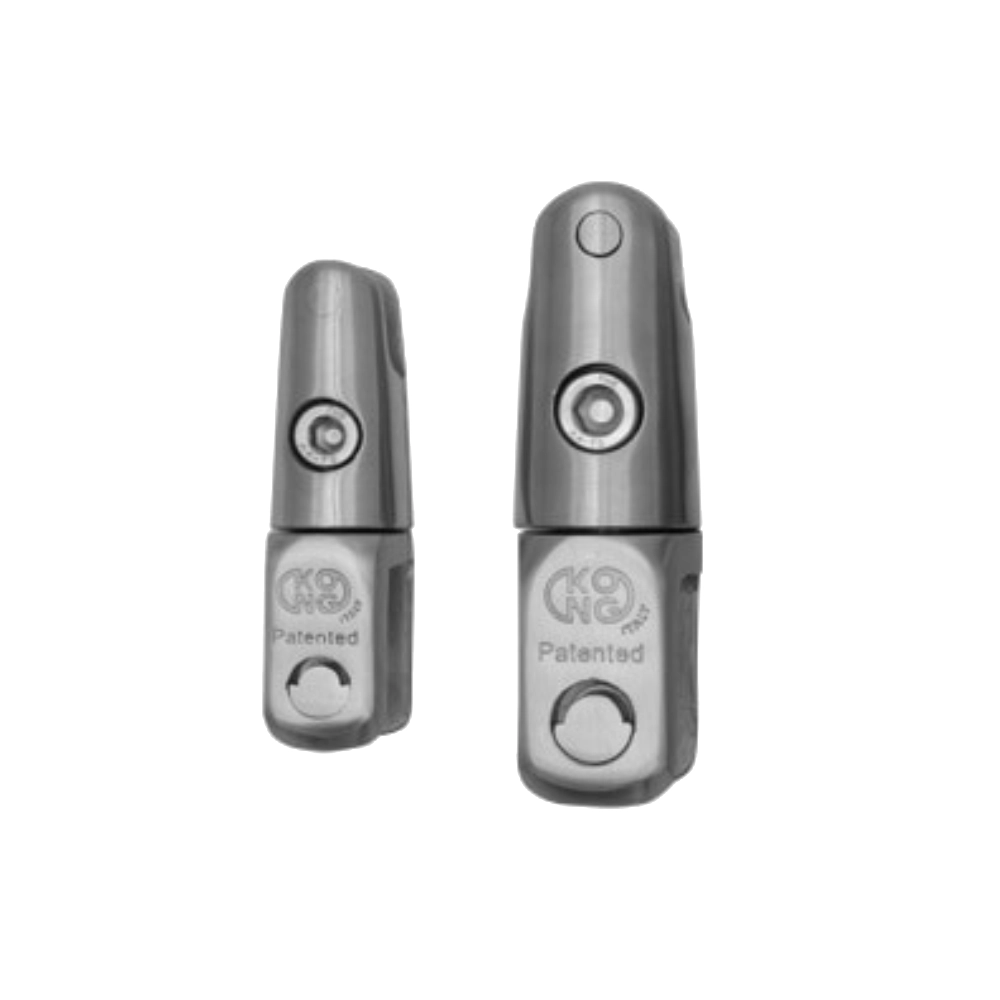
Anchor swivels reduce rotational twisting forces within the chain. As boats swing with wind shifts, tides and wave action, the rode can develop torsional load and twist. Without proper load management this can lead to twisted chain piles, poor anchor orientation during recovery, increased wear and jammed windlasses. A well‑designed swivel keeps the chain aligned, reduces twist during retrieval and improves anchor self‑launching behaviour.
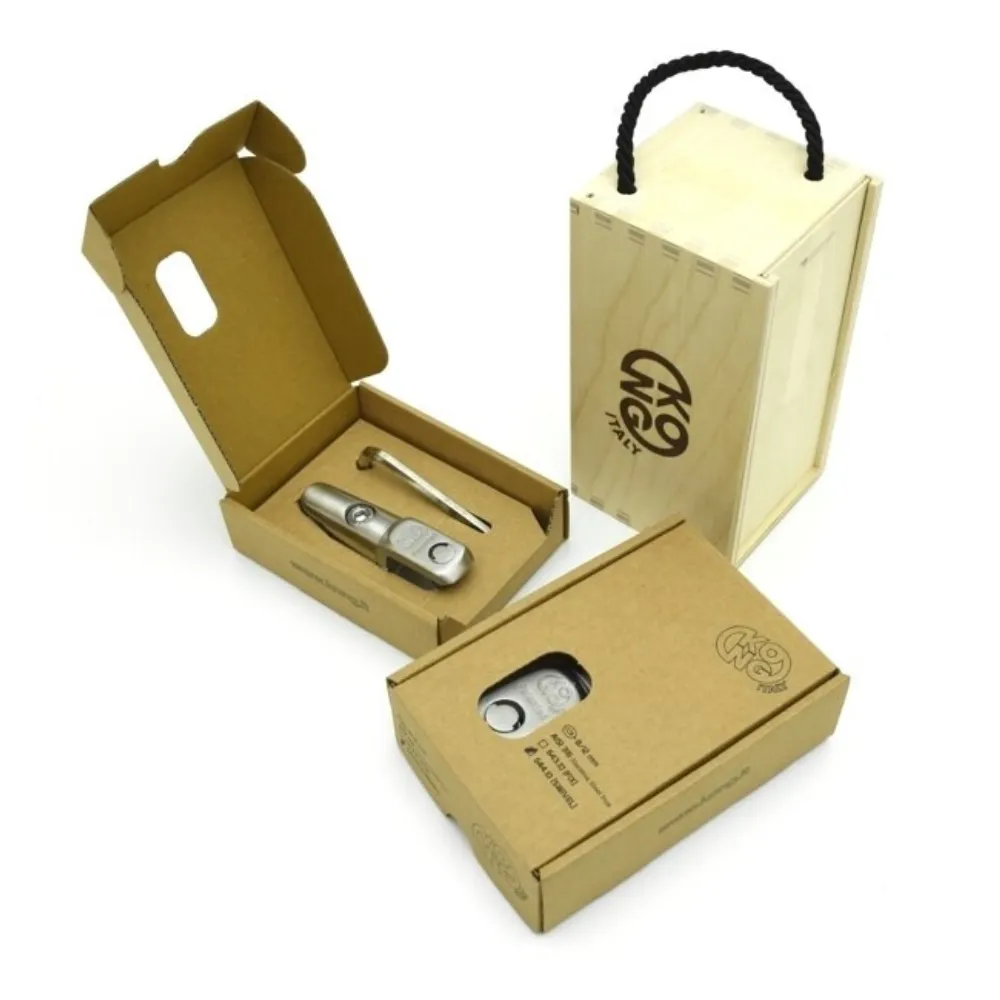
Knox stocks the Kong Premium Anchor Swivel in two sizes (6–8 mm and 8–12 mm). It is manufactured from marine‑grade 316 stainless steel and is proof‑rated for vessel security . The steel offers maximum corrosion resistance and its fail‑safe construction eliminates weak links. When properly installed, the swivel helps maintain chain alignment, reduces torsional load transfer and protects bow‑roller systems. For offshore sailors anchoring frequently in changing conditions, a precision‑engineered stainless‑steel swivel offers meaningful operational advantages.
Should You Use an Anchor Swivel?
Whether to use a swivel depends on boat size, anchoring frequency, windlass configuration, bow‑roller geometry, chain characteristics and cruising style. When properly selected and installed, a premium swivel provides advantages such as easier retrieval and reduced chain twist. However, not all swivels are engineered equally. Low‑quality swivels may introduce dangerous weaknesses if they lack appropriate load ratings, marine‑specific articulation or corrosion resistance. For serious offshore use, a stainless‑steel swivel should match or exceed the working load of the chain and anchor. Selecting a trusted, proof‑rated marine swivel like the Kong unit avoids the common pitfalls of cheaper alternatives.
Choosing the Correct Shackle Working Load Limit
The humble shackle is one of the most safety‑critical components within any anchoring system, yet it is often overlooked. Every shackle must safely withstand tensile loading, shock forces, cyclic fatigue, corrosion exposure and side loading during vessel movement. Undersized or poor‑quality shackles can become the weakest point in the entire system.
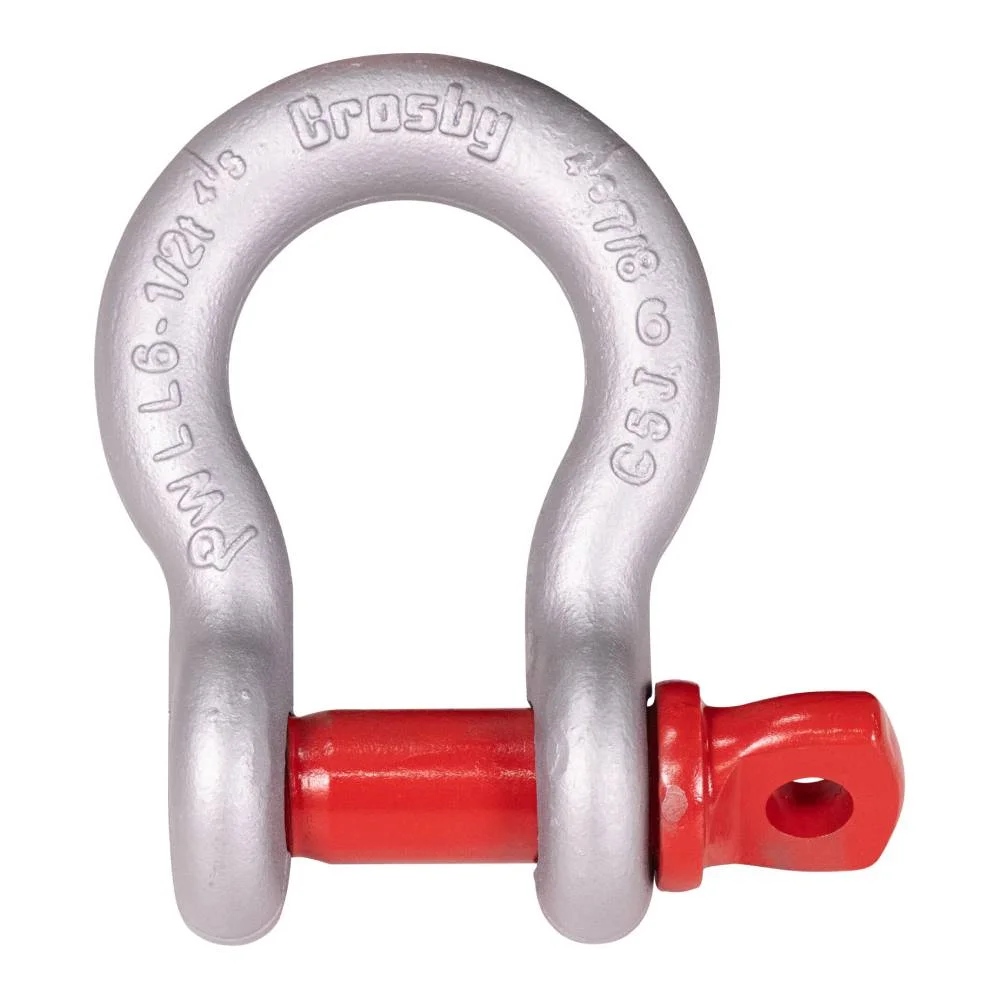
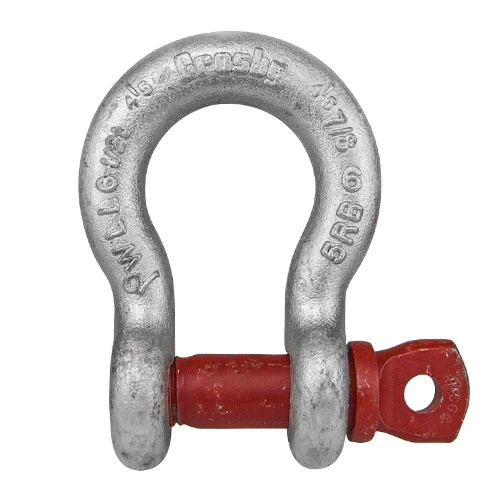
Knox supplies Crosby Galvanized Anchor Shackles in ¾‑tonne and two‑tonne working load limits. These shackles are hot‑dip galvanised for harsh underwater environments and meet ASME B30.26 standards. They are proof‑load tested at twice the working load limit and have an ultimate strength five‑to‑six times the WLL . When selecting a shackle, evaluate its working load limit and safety factor, ensure galvanisation quality, check that the pin can be securely fastened and confirm it fits correctly with your chain, anchor and swivel.
How Snubbers Reduce Shock Loads on Your Anchor Chain
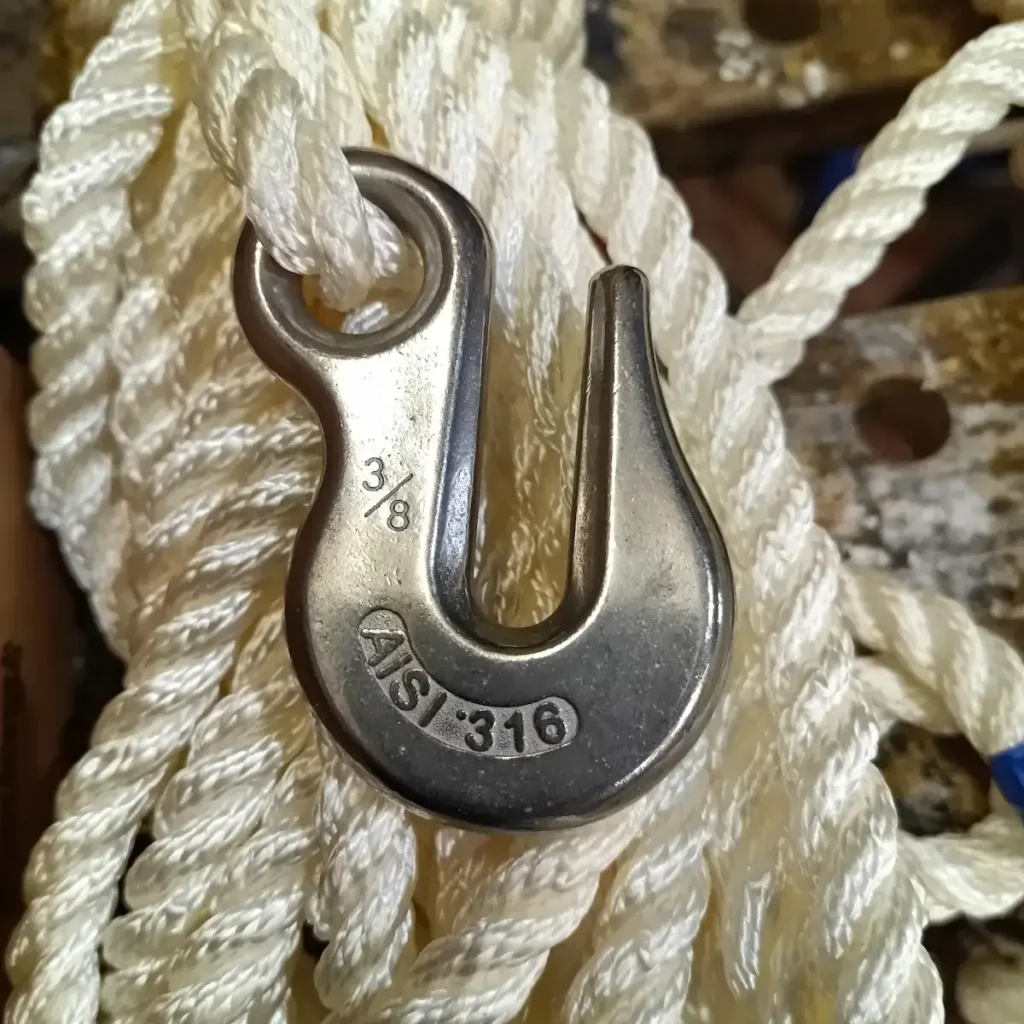
Shock loading is one of the greatest stresses affecting modern anchoring systems. Sudden snatches transfer violent forces through the chain to the anchor and deck hardware. Without shock absorption, repeated impacts can increase anchor breakout risk, damage bow rollers, stress cleats and chain plates, accelerate chain wear and create uncomfortable motion on board.
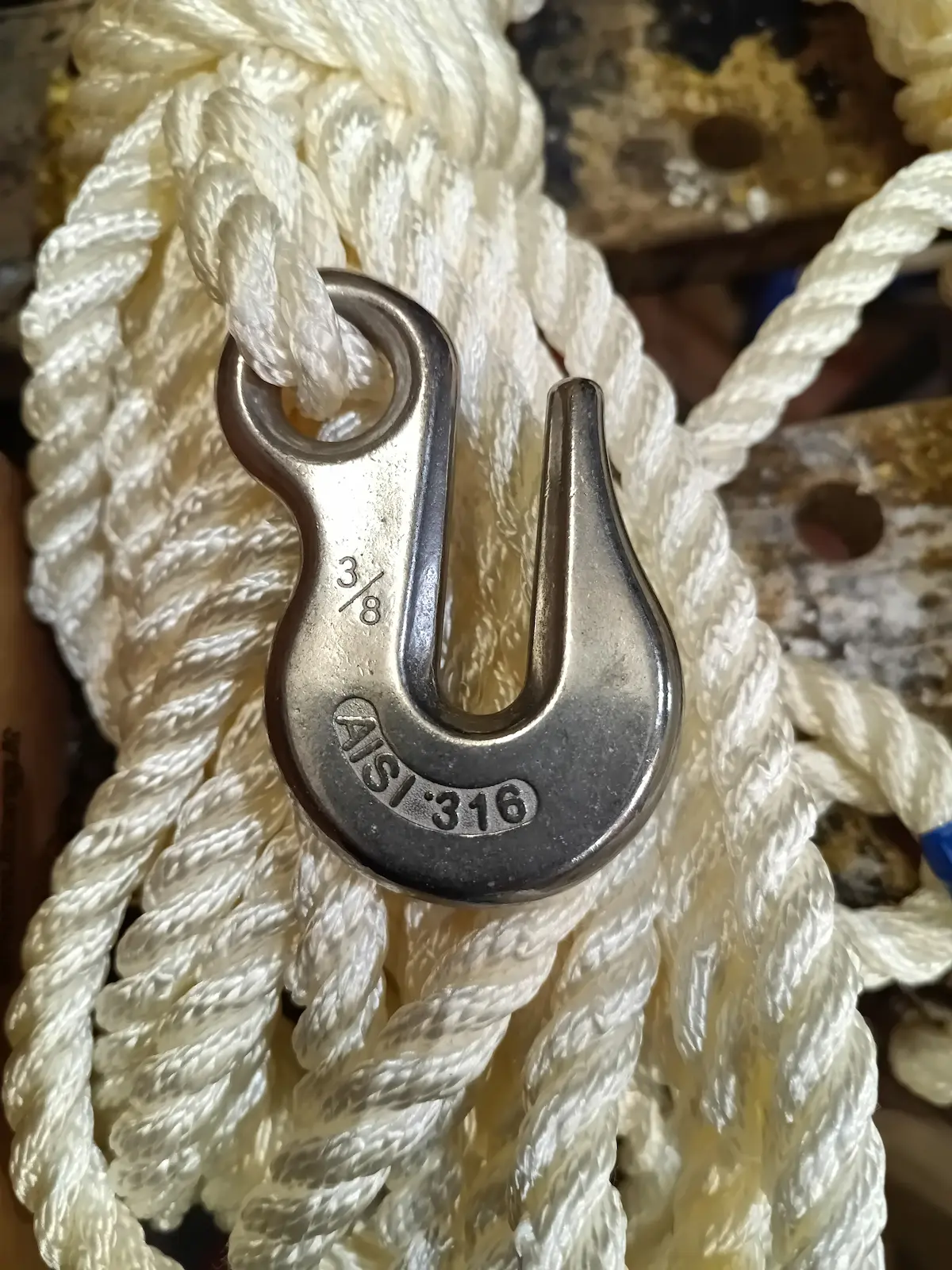
A nylon snubber introduces controlled elasticity into the anchoring system. The Knox Anchoring Spring / Snubber is a 10 m high‑stretch nylon rope designed to absorb energy during sudden loading events . It comes with pre‑spliced hooks and is available for 8 mm or 10 mm chain. By softening sudden tension spikes, it improves comfort, protects deck fittings and lowers the risk of anchor breakout. To maximise shock absorption, deploy as much of the rope length as practical and ensure the snubber is sized correctly for your chain.
Protecting Deck Fittings and Bow Rollers
Modern yachts can generate significant anchoring loads, especially during overnight weather systems or tidal changes. Without proper load management, these forces concentrate on cleats, windlasses, bow rollers and deck fittings. Repeated shock loading can lead to hardware fatigue, gel‑coat damage, structural stress cracking and windlass overload. A combination of a stainless‑steel swivel and a high‑stretch nylon snubber helps distribute and moderate these loads more effectively, extending the service life of your anchoring hardware.
Preventing Anchor Chain Twist During Retrieval
Chain twisting is more than an inconvenience; it can interfere with windlass operation, self‑launching anchors, bow‑roller alignment and safe chain stowage. Twisting typically develops through repeated vessel rotation and tidal movement. A precision‑engineered swivel reduces torsional loading while maintaining smooth articulation between anchor and chain. Long‑distance cruisers, heavy‑displacement yachts and catamarans, which yaw more than monohulls, benefit particularly from the combination of a stainless‑steel swivel and a properly aligned ground‑tackle configuration.
Best Materials for Marine Shackles and Swivels
Material selection plays a major role in long‑term reliability. For shackles, hot‑dip galvanised steel is preferred because of its strength, toughness and corrosion protection . The galvanisation adds a protective zinc layer that resists abrasion and extends service life. For swivels, marine‑grade 316 stainless steel offers superior corrosion resistance and high tensile strength . Combining galvanised shackles with a stainless‑steel swivel ensures each component is made from the material best suited to its role.
Premium marine accessories should always be selected based on engineering specifications rather than appearance alone. Choosing products with proven load ratings and reputable manufacturing standards reduces the risk of equipment failure when it matters most.
Common Ground‑Tackle Mistakes to Avoid
Even experienced sailors sometimes overlook critical aspects of system configuration. Common mistakes include using undersized shackles, mixing incompatible metals, ignoring working load limits, omitting shock‑absorption systems, installing low‑quality swivels and poor chain‑to‑anchor alignment. Because anchoring systems experience dynamic loading continuously, small weaknesses can become significant during severe weather. Building a properly engineered ground‑tackle system improves operational reliability and onboard safety.
Building a Complete Offshore Anchoring System
A dependable offshore anchoring system combines high‑performance components that are compatible and balanced. The most reliable systems use a high‑performance anchor, correctly sized chain, premium load‑rated Crosby shackles, Kong swivels, an effective Knox snubber and properly engineered attachment geometry. Knox anchors, accessories and ground‑tackle components are designed to work together as a complete anchoring solution for real offshore conditions. Investing in premium marine accessories is ultimately an investment in safety, durability and long‑term anchoring confidence.
Choose Your Knox Anchor Accessories
Build a safer and more reliable anchoring system with premium Knox Anchors accessories engineered for offshore performance, shock‑load management and long‑term durability. By investing in the right hardware today, you ensure peace of mind when the wind pipes up tomorrow.